


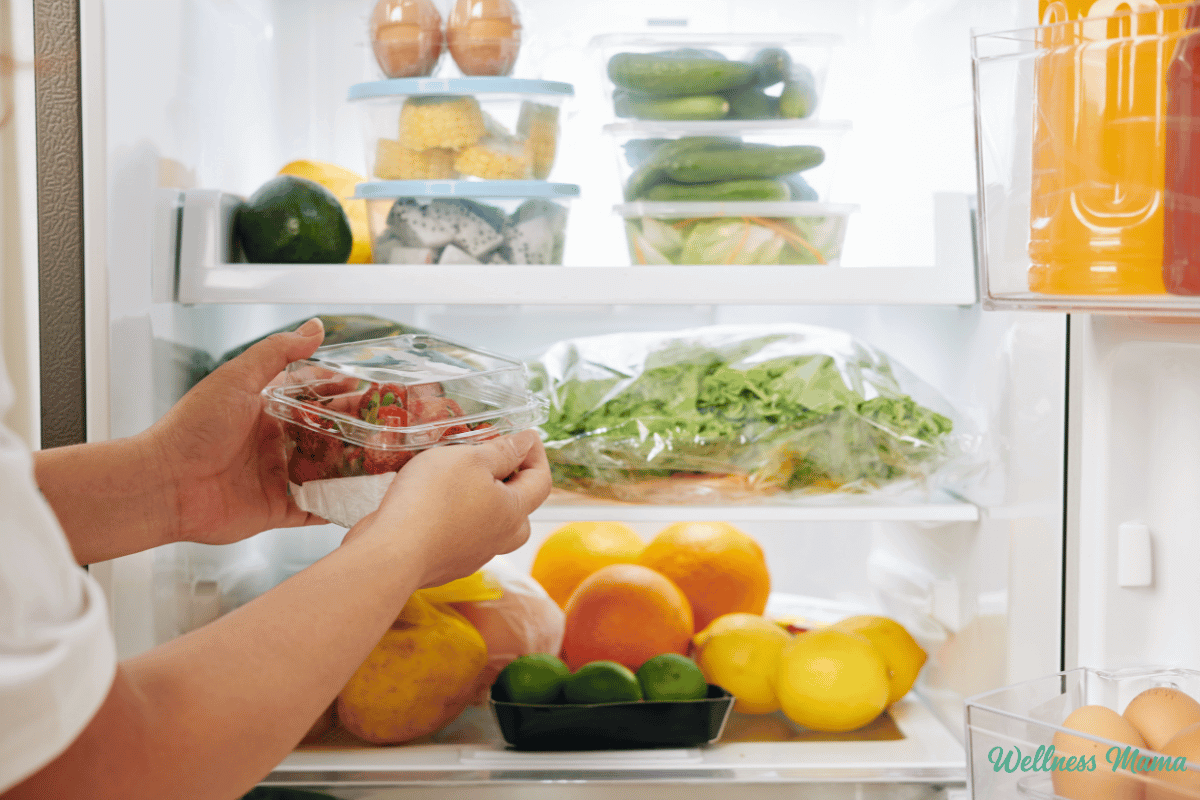

As moms, we set the tone in our house for our family, and that includes teaching our kids the importance of eating real foods. We want to create lifelong health habits for our kids and prevent things like heart disease, obesity, unhealthy cholesterol, and blood sugar problems. Making a list of whole foods to keep on hand has really helped me with this.
Two priorities for my family are avoiding processed foods with additives and added sugar and eating more whole foods. I do this by keeping my kitchen well stocked and meal planning. This keeps the not-so-great options out of the house, making it easier to choose healthy items. It also saves money on grocery shopping (which is huge right now!).
But what does a real food kitchen look like? There are so many options at the grocery store, and it can be overwhelming when you’re creating a shopping list. Here are the foods I focus on for my family on a regular basis. These products make it easy for us to choose a whole-food diet.
List of Whole Foods For Your Pantry
Pantry items are a great place to stock up on since they last longer. And if you can buy in bulk or find a sale, it’s a great way to save money! I cook with a lot of fresh and frozen ingredients, and I have limited pantry space. But I like to keep pantry items on hand for cooking and baking.
Here’s a list of the non-perishable foods on my grocery list. I use these products frequently in my clean-eating recipes.
Coconut Products
We use lots of different coconut products, from coconut oil and coconut milk and cream to shredded coconut and coconut flour. I love making chocolate coconut clusters for a treat and coconut granola for breakfast. We use a lot of coconut oil for roasting vegetables and baking, and my kids even eat it off the spoon!
I buy most of my coconut products from Tropical Traditions. You can also find these products reasonably priced online or in stores. Just look for unrefined, organic, cold-pressed versions.
Olive Oil
Olive oil is a great source of monounsaturated fats. Make sure to buy extra virgin olive oil, which is the healthiest option. I use it for homemade salad dressings and mayo. There’s been some controversy over whether you use it in cooking. From my research, I’ve found that it’s safe to cook with. That said, it’s not the cheapest option of cooking oils.
Unfortunately, some less-than-ideal olive oils are marketed as extra virgin. I trust and recommend Kasandrinos because it’s the best quality I’ve found for the price.
Other Healthy Fats
I also like to use lard, tallow, and ghee in cooking and baking. When I have time, I make them to save money. But when I don’t have time, I purchase them from trusted sources. I make or buy them in large quantities to take advantage of cost savings and store them in 1- or 5-gallon buckets. US Wellness Meats has grass-fed, organic tallow (high in CLA) in bulk for a great price.
Vinegar
For cooking, I use balsamic, red wine, and apple cider vinegar. I mostly use these vinegars for salad dressings and marinades. When I feel like a cold is coming on, I drink a couple of tablespoons of apple cider vinegar in water.
Nuts
For on-the-go snacks, I keep walnuts, cashews, almonds, macadamia nuts, etc. on hand. I like to soak and then dehydrate these before storing them to reduce the phytic acid. P.S. Macadamia nuts dipped in 90% dark chocolate and then cooled are one of my favorite treats.
I also use them to make homemade nut butter like almond butter and homemade nut milk like almond milk. Make sure to purchase organic ones, and if you want to dehydrate them, opt for raw over roasted.
Raw nuts last about 6-9 months, so keep that in mind when purchasing. You can freeze them if you want them to keep longer.
Canned Fish
Canned fish is an easy way to pack protein on the go or a fast meal in a pinch. I keep sardines, tuna, wild-caught salmon, etc., on hand to make tuna salads and salmon patties. Purchase wild-caught for the most sustainable, healthy option.
Self-Canned Veggies
We have a big garden with lots of tomatoes and other veggies. To save these veggies for future use (and to save money!), I’ve been canning most of my own veggies and sauces. It’s more time-consuming, but I can make ketchup, tomato sauce, tomato paste, diced tomatoes, hot sauce, tomato soup, etc. from the tomatoes in our garden.
There was concern about BPA in cans (and that’s what started me on my canning adventure), but now most canned foods are free of BPA. If canning your veggies isn’t an option, make sure the label says no BPA, or look for these foods in glass jars.
Vegetables
Some vegetables don’t need to be refrigerated and can be kept in the pantry for a long time. We keep sweet potatoes, onions, winter squash, garlic, etc. on hand in the pantry, and they always get eaten before they spoil.
Baking Ingredients
We love to bake! I keep a lot of different paleo and gluten-free ingredients on hand so whenever the mood strikes, we’re ready. We keep a few different types of flour on hand. Sometimes, we make our own, but often, we buy them in bulk
For sweeteners, I keep raw honey (my parents have beehives so we get it from them!), organic maple syrup, dates, and coconut sugar on hand. We also keep:
- baking powder (aluminum-free)
- baking soda
- chia seeds
- cacao powder
- vanilla
- almond butter
- beef gelatin
- chocolate chips
Dry Goods
We don’t eat many grains or legumes, so I don’t buy a lot of them. Now that I’m in remission for my Hashimoto’s, I’ve added in a small amount of organic jasmine rice. We’ll eat it once a week or less. I prefer white rice over brown rice (you can read why here).
I also keep dry black beans on hand for Mexican beef and rice bowls. These get soaked and cooked in the pressure cooker first to make them easier to digest. Because they’re legumes, I don’t eat them very often (along with lentils and chickpeas).
Herbs and Spices
I have a whole cabinet dedicated to herbs and spices. In my opinion, good spices can make the difference between a good meal and a great one. Some herbs also have medicinal properties, so they sometimes serve double duty.
Oregano is antimicrobial, and peppermint and ginger are great for nausea. Elderberries make great syrup and gummies. Some of these herbs and spices also help with appetite control and weight loss when used in cooking.
Culinary Herbs and Spices
I use a variety of herbs and spices in cooking:
- Basil
- Thyme
- Oregano
- Rosemary
- Garlic (powder, granules, minced, salt)
- Turmeric
- Cayenne
- Cinnamon
- Sea salt (or Himalayan, black lava, smoked)
- Cumin
- Chili powder
- Onion powder and salt
- Bay leaf
Stocking A Real Food Fridge
With six kids, it’s harder to keep the fridge stocked! A full fridge never seems to last long. I sometimes have a hard time finding the space I need for all the fresh foods we eat. So, I purchased a stand-up deep freezer and an extra fridge.
These are the whole foods I keep stocked so we have healthy choices within reach.
Vegetables
For quick snacks the kids can grab, I keep sliced cucumbers, carrots, and celery in the fridge. I also keep lettuce and spinach for salads and cabbage to make sauerkraut (which is usually in some stage of fermentation on my counter). To add some variety, I also buy a wide range of healthy veggies for side dishes and recipes. I also keep some frozen veggies from last year’s garden in our freezer.
Fruits
We buy fruit based on what’s in season. These include blueberries, strawberries, kiwis, mangos, tangerines, etc. I like to have apples and oranges for the kids all the time. I also buy lemons and limes when they’re in season to add to our water. If they aren’t in season, I use lemon and lime juice.
Alternative Milks
We don’t usually drink dairy products, but we’ll use other milk alternatives. There’s always at least a gallon of store-bought or homemade coconut milk in the fridge for smoothies and drinks for the kids. We sometimes have almond milk or even delicious homemade macadamia nut milk.
Yogurt
Although we don’t eat much yogurt, I buy the full-fat organic kind to separate and make whey for fermenting, and yogurt cheese for cooking and veggie dips. When I have time, I make my own (this is especially great if you have access to raw milk).
Meats and Seafood
Meat tends to get a bad rap, but it’s super important for our nutrition and health. I aim to eat 1 gram of protein per pound of body weight every day. (Listen to this podcast and this one to learn more about meat in our diet!) I buy chicken breasts and ground beef for batch cooking each week.
It saves money to purchase meat, and even part of an animal, from a local farmer or online from regenerative farms or co-ops. I stock up on nitrite-free bacon, sausage, and hot dogs when they’re on sale. I also like to keep frozen wild-caught shrimp and wild-caught salmon for seafood recipes.
Eggs
We go through at least a dozen eggs a day, so keeping these around is tough. I buy 5-6 dozen a week, including the dozen I hard-boil for snacks. If you can afford them, buy pasture-raised organic eggs. Or better yet, find a farmer who sells them. We have ducks now, so we have fresh duck eggs that we really enjoy.
Condiments
I started making most of my own condiments years ago because I don’t love the options at the stores. However, more clean eating options are becoming available at stores like Whole Foods Market or online at Primal Kitchen. I regularly have these condiments in my fridge:
- mustard
- homemade mayo
- homemade ketchup
- homemade tomato sauce
- homemade BBQ sauce
- homemade hot sauce
- apple cider vinegar
- coconut aminos
- lemon juice
- lime juice
- homemade pickles
- sauerkraut
- relish
What are your best tips for stocking a real food kitchen? What are your favorite things to keep on hand for clean eating?


Leave a Reply