


I often get comments and questions asking about the supplements for pregnancy and while nursing that I take. I talk about the prenatal care options I choose in this post, but wanted to write about the specific pregnancy supplements I take.
Important Note
These are the supplements I chose to take after consulting with my doctor, thyroid specialist and midwife. I share these for informational purposes only and not in any way as a suggestion of medical advice. This post is strictly informational and should only serve as a starting point for a conversation between you and your medical provider about the best supplements for pregnancy in your specific case.
Why Supplements for Pregnancy?
Pregnancy and nursing are times of a woman’s life when it is important to be vigilant about getting enough nutrients to nourish her little one and supplements can be helpful. There are also some supplements that are important to avoid during pregnancy and nursing and any pregnant woman should work directly with her care provider to make sure she is taking the correct supplements for her body and pregnancy.
As someone who has quite a bit of experience being pregnant and nursing over the last decade, I’ve seen first hand how supplements can make a pregnancy (and delivery) easier!
Each woman’s dietary and nutrient needs will vary, but as a general rule, a nutrient-dense diet is the most important factor in her ability to get enough vitamins and minerals during pregnancy and supplements can’t take the place of a healthy diet and good lifestyle habits.
When I am pregnant, I focus on consuming the following:
- Lots of high quality protein from high quality sources like grass-fed beef, free-range poultry and eggs, and wild, caught, sustainable seafood (smaller fish preferable). Organ meats from grass fed sources are also wonderful for pregnancy and nursing and can help reduce the chance of anemia.
- Large amounts of vegetables, especially green ones! Green veggies have folate, which is important for fetal growth, and are also high in many other nutrients. They help prevent the constipation that can sometimes occur during pregnancy, and are great for making sure nursing moms are getting enough vitamins. During pregnancy, I live by the motto of “When in doubt, eat more veggies.”
- Healthy Fats galore! Pregnancy and nursing are not times to skimp on healthy fats. Quality fats are absolutely vital for baby’s brain development, organ and tissue growth, and good milk production for mom. Sources like healthy meats, coconut oil and coconut products, olive oil, avocados, and nuts are especially good during pregnancy.
- Other high nutrient foods like homemade bone broth, soups, fermented vegetables like homemade sauerkraut, fruit (especially berries) and green smoothies are also great for pregnancy and nursing.
Supplements for Pregnancy
Even with the most solid diet, it can be difficult to consume enough of the necessary nutrients for pregnancy, especially with our modern food supply. For this reason, I take certain specially selected supplements while I am pregnant or nursing:
Folate
The supplement folic acid is commonly recommended, but there is substantial difference between folic acid (the synthetic form) and folate (the natural form). This article explains the difference in detail. The dosage is also slightly different, and some sources recommend as much as 1200 mcg of folate per day for maximum benefit. This amount should include the amount in multivitamins and any additional folate supplement (be sure to check multivitamins, as many contain the synthetic form!). Folate is one supplement that has been extensively studied for use in pregnancy and is extremely effective at preventing neural tube defects. It is also very inexpensive and easy for every pregnant woman to take.
NOTE: People who have a MTHFR defect will need to consult with a specialized practitioner and will probably need to take L-5-MTHF which is the methylated form of folate. I explain more in this post.
Prenatal Multivitamin
There is some debate on if a full multivitamin prenatal is necessary during pregnancy or not. While I don’t routinely take a multivitamin, pregnancy and nursing is one time that I do. A deficiency in a vitamin or mineral won’t make a tremendous, immediate impact on an adult in most cases, but during the intensive developmental phases of pregnancy, a nutrient deficiency can have lasting consequences for baby.
A high quality prenatal is an “insurance policy” or sorts to guard against deficiencies but should accompany a high nutrient diet! Many prenatals contain iron, though this isn’t necessary if you are consuming red meat from healthy sources and organ meats. Just make sure it doesn’t contain folic acid (but folate or methyl folate). This is the brand I use.
Probiotics
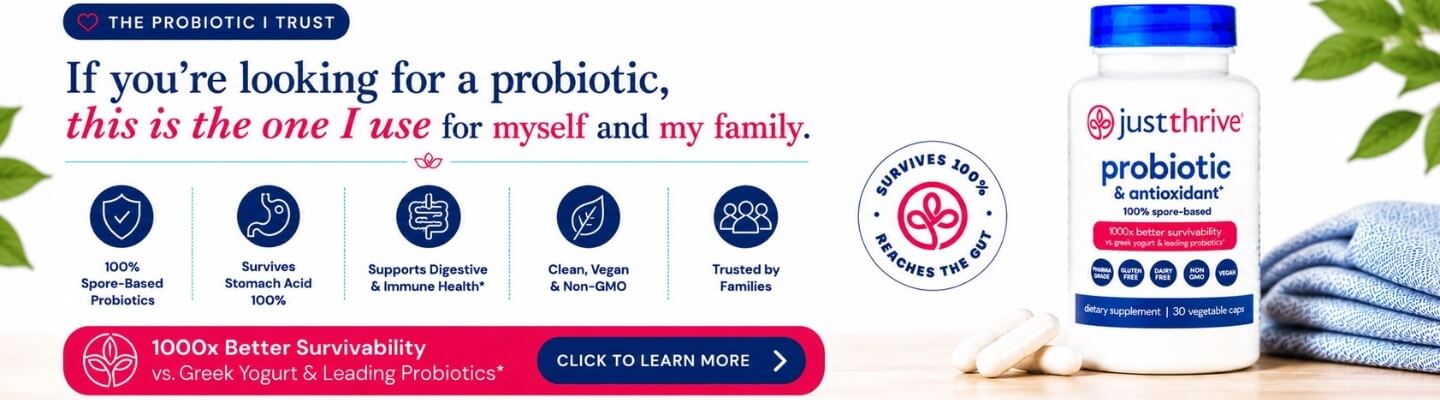
Probiotics are critical, especially during pregnancy. During the birth process, babies culture their beneficial gut bacteria from what the receive from mom when passing through the birth canal and from nursing in the months afterward. Unfortunately, this process doesn’t happen in the same way with cesarean deliveries, but research is finding ways to help facilitate this process.
Quality probiotics (Probiotics) help ensure that baby will get a good dose of beneficial bacteria during a normal vaginal delivery, which can reduce risk of ear infection and illness in the first few years. Good gut health also has a tremendous impact on lifelong health, and this is one of the most important things you can do for your baby’s health. Probiotics also help mom avoid illness and constipation during pregnancy, and might reduce the risk of Group B strep. Since baby’s gut bacteria continues to culture during the nursing time, it is good for mom to continue to take probiotics during this time as well.
Vitamin D3
There is a lot of emerging research that Vitamin D can help reduce the risk of many pregnancy related complications including gestational diabetes. It is important for baby’s bone and hormone development and helps support mom’s immune system during pregnancy. Some research suggests that nursing babies may be able to obtain Vitamin D from the mother’s milk if mom is getting more than 5,000IU/day. I take 5,000 IU/day while pregnant or nursing, unless I’m able to get 30 minutes or more of midday sun.
When supplementing, I only take Vitamin D3 with K2 and I occasionally test blood levels of vitamin D to make sure my levels don’t get too high.
Magnesium
I take magnesium all the time, but find it especially helpful in pregnancy. Severe magnesium deficiency can lead to poor fetal growth, preeclampsia, or even fetal death. Proper magnesium levels also help mom’s tissue growth and recovery during pregnancy and may help baby receive more nutrition through the placenta. It is very difficult to get enough magnesium from food sources anymore, so I typically use magnesium oil on the skin, or an ionic supplement. As a general rule, I don’t exceed 500 mg from all sources unless advised by my doctor.
Coconut Oil
During pregnancy and nursing, I take several tablespoons of coconut oil and other healthy fats in smoothies or tea daily as a supplement in addition to cooking with it. It is naturally immune boosting, supportive of baby’s brain development, and contains many of the components of breast milk to support nursing as well.
Third Trimester Pregnancy Tea
In the third trimester, I add in Red Raspberry Leaf Pregnancy Tea (here’s the recipe). There is some limited research that Red Raspberry Leaf may increase the strength of contractions without increasing the pain and that it may shorten labor. While scientific studies are limited, there is an abundance of anecdotal evidence from women who swear that RRL helped shorten their labors or make it easier.
I personally mix RRL with with herbs and drink as a tea in third trimester because it is refreshing and an easy way to sneak in some extra nutrients since I’m already trying to consume more fluids.
Things I Avoid
Just as deficiency of some things can be dangerous during pregnancy, consumption or contact with other things can be harmful to a developing baby. In general, these are things I avoid during pregnancy (and all the time- not a complete list… do your own research):
- Artificial sweeteners
- MSG or chemical additives
- Diet Sodas or foods
- Vegetable Oils and trans fats
- Any herbs, drugs, or medicines without approval from your midwife or doctor (or your own research)
- BPA and plastic containers
- Aluminum in antiperspirants (make your own)
- High fructose corn syrup
- Sugars or sweeteners
- Artificial dyes or colors in food
- Chemicals in laundry detergent, personal care products and household cleaners
Did you take supplements during pregnancy? Are you pregnant now? Share below!


Leave a Reply