


Second to fat, protein is one of the most misunderstood and sometimes vilified sources of nourishment. Protein can be obtained from a large variety of foods, but many disagree as to the healthiest sources of protein and how much we really need. Some prefer to get their daily allowance from meat, others from soy, others from dairy… and the list goes on. (Some even prefer to get protein from a powdered concoction of dried whey and chemicals… but I digress…)
All of these conflicting (and sometimes counterintuitive) perspectives can make choosing healthy sources of protein difficult. In this post, I’ll go over which foods are a healthy protein source and how much we should include in our diets.
Warning: As with most things in health, it’s not a one-size-fits-all answer…
What Is Protein?
Proteins, on a strictly molecular level, are made up of amino acids in a linear chain. The sequence of amino acids in a protein molecule is defined by the sequence of the gene for that protein.
While many plants and microorganisms can create all 20 proteins “in-house,” animals (including us) must get some of them from diet. The proteins we can’t create ourselves and must get from diet are called essential amino acids. We obtain these amino acids from different types of proteins in our diet.
There are 20 standard amino acids specified by the genetic code (as Dr. Ben Lynch explains in this podcast). Proteins are absolutely essential to every cell function within our bodies, many as enzymes that are catalysts for metabolic reactions.
Why Is It Important?
Through digestion, proteins are broken down for use in all parts of the body. Protein can be broken down into glucose if the body is in need of it, but it is the least preferable source of fuel for energy as it is difficult to convert (unlike carbohydrates). This is also the reason that, contrary to popular thought, we don’t need to eat constantly to “keep our metabolism burning.” The body naturally uses other forms of fuel first, breaking down muscle last.
That being said, a long-term, low-fat, restricted-calorie diet will lead to muscle burning.
The human body needs a diet that contains adequate amounts of proteins from the right sources (we will get to this in a minute). This is the reason a vegetarian diet can (but not always) cause problems within the body. (Vegetarian diets, in general, also tend to be higher in carbohydrates and lower in fats, and both of these factors contribute to the potential problems with a vegetarian or vegan lifestyle).
Adequate protein is absolutely vital, especially in growing children, as the body uses it for:
- immune function and support
- the building of cell membranes
- cell and tissue creation and repair
- transporting oxygen and nutrients throughout the body
- producing hormones and enzymes
Clearly, protein is an important part of the diet, but not all proteins or sources of protein are equal.
Complete vs. Incomplete Protein
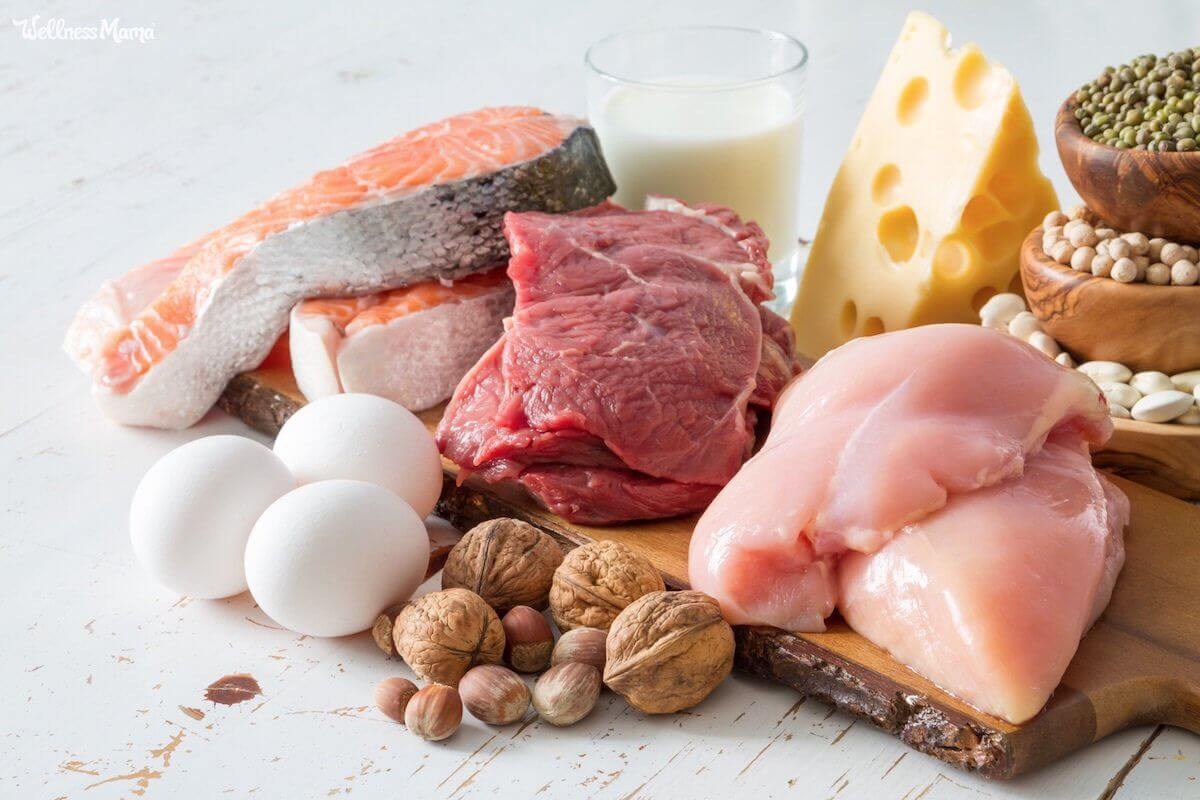
There are two categories of protein sources. Complete proteins are high-quality proteins that contain the essential amino acids we need for basic body function. These proteins are more easily absorbed by the body and are found in meats, eggs, fish, poultry, and dairy.
Incomplete proteins are a lower quality protein that do not contain all the necessary amino acids. These are found in grains, beans, vegetables, fruits, nuts, and seeds.
If you’ve been around my blog much, you know I personally don’t consume many grains or high carbohydrate foods. My stance on this has softened over the years as research increasingly shows health (and the ideal diet) is highly individual according to our genetics. Instead, I opt plenty of vegetables with seafood, grass-fed meats, vegetables, and the other healthy protein sources below.
Is Meat the Best Source of Protein?
Without diving into all of the controversy, I will say: not all meat is healthy or a great choice for protein. The old saying “You are what you eat” rings true here. The confounding factor is that your dietary protein (meat) is what it eats, also. Besides the extra body fat caused by these grain foods, these poor animals get really large doses of toxins to store in this fat from all the pesticides, herbicides and antibiotics used on these grains. It’s just one reason why regenerative agriculture is so important.
If grains are bad for us (and I suspect many modern ones are), it isn’t the best idea to eat a bunch of animals that have been fattened up on genetically modified corn or soybeans in an attempt to get health (according to Dr. Zach Bush in this podcast and other experts I’ve interviewed).
Let’s look at beef for an example. Cows were meant to eat grass (they are ruminants). When cows do eat grass, they function largely without disease and when slaughtered, have over five times the nutrients of grain-fed cows. The problem is that cows who eat grass don’t gain weight and don’t sell for as much. In the name of fast profit, we have converted entire species of animals to diets they were not meant to eat.
Grass-fed and free-range meats can often be found at farmers markets or through local farmers. (Just be sure to check that they are truly eating only grass and truly have room to run.) Some farmers offer cow-sharing or cow-pooling, which allows you to purchase 1/4 or 1/2 of a cow when it is live and then receive the meat after it has been butchered. Similar arrangements often exist for chickens.
I personally buy our meat from local farmers through cow-sharing, but there are also online options for those who don’t happen to live down the street from a grass-fed beef ranch. If buying at stores that carry these options, look for labels like “organic,” “exclusively grass-fed,” and “free-range pastured.” Beware of labels like “all-natural,” “hormone and antibiotic-free,” and simply “free-range,” which carry no real weight and are not monitored.
Healthy High-Protein Food Sources
It’s not always easy to know which proteins are good for the body and which ones aren’t. So, I’ve compiled a list of the best protein sources so you’ll know what to look for. To find healthy sources of protein, you will have to get a little creative, but it is possible!
Grass-Fed Beef
Beef is an excellent source of many nutrients including:
- Vitamin B12 – Vitamin B12 is important for red blood cell formation and healthy brain function.
- Vitamin B3 – This vitamin is important for a wide range of processes in the body from the skin to the nervous system.
- Omega-3 fatty acids – These essential fatty acids are important for balancing inflammation in the body and supporting heart health.
- Vitamin B6 – One important function of vitamin B6 is in helping the body produce melatonin. Melatonin is crucial for healthy sleep and circadian rhythm.
- Selenium – This nutrient plays a part in many functions in the body including reproduction, thyroid function, DNA production, and immune function.
- Iron – Iron is another essential nutrient that helps make red blood cells that carry oxygen through the body. There are a few different kinds of iron, but animal sources contain the most bioavailable kind, heme.
- Zinc – This mineral is important for the immune system. It helps the body fight infections and heal wounds. It’s also important for optimal growth.
- Phosphorus – This nutrient works with calcium to build bones and plays a part in energy production. Phosphorus also plays a structural role in cell membranes.
- Choline – This nutrient is needed to produce acetylcholine, an important neurotransmitter for brain and nervous system functions including memory, mood, and nerve impulse transmission.
- Pantothenic acid (B5) – This vitamin is incredibly important. It helps build red blood cells, and like other B vitamins, helps convert food into energy.
- Conjugated linoleic acid (CLA) – This fatty acid is important for a healthy immune system and metabolism.
While conventional beef may have the same nutrients, grass-fed beef is much higher quality and includes higher quantities of many nutrients including omega-3 fats and CLA. Many studies have been done and support the health benefits of grass-fed beef over conventional. For example, a reputable 2010 study covering 3 decades of research that found grass-fed beef has a healthier lipid profile, higher CLA, and has a better omega-3 to omega-6 ratio.
If you don’t prefer to eat meat, but still appreciate the benefits of meat, consider using Equip Prime protein powder (made with beef protein) and it comes in a wide variety of flavors (and even an unflavored).
Organ Meats
Organ meat isn’t most people’s first choice for dinner, but maybe it should be! This unpopular protein doesn’t deserve its bad rap as it is incredibly healthy and nutrient dense. In traditional cultures organ meat was the most desired meat and muscle meat was often fed to the dogs.
Liver, for example, contains:
- Vitamin A – Vitamin A plays an important role in healthy vision, and healthy heart and kidney function. It’s also important for immune support and reproductive health.
- Riboflavin (B2) -Riboflavin helps synthesize food into energy and is important for cellular development and function.
- Folate (B9) – Folate is an important nutrient for pregnant women (it helps avoid birth defects) and is an important part of rapid cell division and growth and the formation of DNA. Unfortunately, many of us get a lot of folic acid, the synthetic version of folate, which is not as well absorbed and can be problematic.
- Copper – Copper plays a part in regulating energy production, iron absorption, and brain function. It’s also important for healthy bones, blood vessels, nerves, and immune function.
Other organ meats are similarly high in nutrients. For example, beef heart contains many of these same nutrients plus lycopene. Organ meat is relatively inexpensive, so if you couldn’t buy all high quality organic meat, organ meat would be the best one to choose to buy organic and pastured. I don’t have a local farm that is a good choice, so I get mine from Wellness Meats or ButcherBox.
Free-Range Pastured Chickens and Eggs
Research published in 2012 shows that pastured poultry (not cage-free or other labels that don’t mean anything) are healthier and produce healthier meat.
Chicken contains many necessary nutrients including vitamin B3, selenium, vitamin B6, phosphorus, choline, vitamin B5, and vitamin B12>
Eggs are a budget-friendly and healthy source of protein, if you tolerate them. Choose eggs from free-range or pastured chickens as they contain more vitamin D, an essential vitamin important for bone growth, immune function, and inflammation regulation. A 2010 study found that eggs from pastured hens were higher in omega-3 fatty acids as well as some other nutrients.
Wild Game
Meat from wild game like deer, elk, turkey, etc. is a healthy source of protein. Wild game will contain many of the same nutrients as farm-raised beef and chicken, but may also include other nutrients. This is because, in theory, wild game has access to a wide variety of their natural diet. With wild game you don’t have to worry about what it is fed because it feeds itself (its natural diet)!
Healthy Seafood
Sadly, our manipulation of the food chain doesn’t stop with cows and chickens. We are now commercially farming fish like salmon and also catfish, which are almost completely raised in farms.
The same rule applies here–we are feeding animals foods they were not meant to eat, and their health suffers because of it. These fish suffer from disease and have much fewer nutrients than wild-caught varieties.
Wild-caught fish and other seafood, on the other hand, have a much higher nutrient/trace mineral profile and are much healthier for human consumption. Look for labels like “wild-caught” on fish. Avoid fish that doesn’t specifically say it is wild-caught, and avoid farm-raised. Wild-caught sources are more likely to be eating their natural diet.
Other healthy seafood tips:
- Opt for oily fish like salmon or sardines, which are an excellent source of omega-3 fatty acids. They are also a good source of calcium and magnesium.
- Shrimp is also a unique source of the carotenoid astaxanthin, an antioxidant linked to improved blood flow and lower oxidative stress.
- Don’t forget lobster! It contains contain selenium, vitamin B12, phosphorus, copper, and iodine.
For more tips on selecting seafood, see this post. I have several local sources for fresh seafood, but also order some frozen seafood from this company and stock the pantry with Thrive Market sardines or tuna (a real budget saver… more on this next).
Canned Fish/Sardines
If you have to opt for conventional fish, go for cans of wild-caught chunk-light (not albacore) tuna or sardines (in water, not vegetable or soybean oil!). While this may seem weird, these fish contain the smallest amounts of mercury because they are low on the food chain. Canned salmon is also a decent choice as it’s usually wild-caught (always double check the label though!). I love the Thrive Market brand.
Nuts/Seeds/Dairy
Foods like raw nuts or seeds (note: peanuts are not nuts) and organic high-fat unsweetened plain yogurt also contain adequate amounts of proteins and are acceptable options (though in lesser amounts). Here’s what to look for:
- raw, organic nuts and seeds (soaked overnight and dried)
- full-fat, organic plain yogurts (even make your own!)
- full-fat cottage cheese from grass-fed cows (Costco had some in stock last I checked!)
These are incomplete proteins, so you won’t get the same nutrient-bang for your buck, but they do contain some good protein and are a good way to mix-it-up once in a while.
Proteins to Avoid
There are many sources of quality protein, but there are also some that are not healthy and should be avoided if possible:
- conventionally raised beef and organ meats
- conventionally raised chickens and eggs
- farmed seafood
- sweetened or processed dairy sources
- nuts cooked in hydrogenated vegetable oils (most of them!)
- beans and legumes (unless you tolerate them well)
- fermented soy (read more about I choose not to eat most soy products here)
It may not always be possible to eat 100% organic, pastured, or grass-fed protein, but it’s still good to know which ones are best avoided if possible.
How Much Protein Do We Need?
According to the official Recommended Dietary Allowance (RDA) recommendation, we should eat at least 0.8 grams of protein per kilogram of body weight. I used their online calculator (which takes into account things like gender, pregnancy, weight and height, and activity level) and found that my RDA recommend amount of protein is about 60 grams per day. (For reference, a 3 ounce piece of chicken breast has about 26 grams of protein, so 6 ounces would bring me to my full requirement for the day!)
While my body may be able to function on 60 grams of protein a day, many sources suggest we actually need more protein. Let’s look at some of the opinions:
- A 2015 document published in The American Journal of Clinical Nutrition recommends at least twice the RDA amount of protein, based on the conclusions of more than 60 health and nutrition experts in an international summit. (This is echoed by Harvard Medical School, although they warn against overconsumption of red meat, a point I agree with if not grass-fed.)
- This blog post from RobWolf.com weighs the evidence for consuming around 100 grams of protein per day, on average.
- Chris Masterjohn, a PhD in Nutritional Sciences, aims for 1 gram of protein per pound of body weight, as a man with the goal of building lean muscle.
What I take from this as a general rule is that most adults need upwards of 50 grams (many need closer to 100 grams) of protein a day. Pregnant women and many men need to consume the higher range of this scale.
This protein can come from beef, chicken, organ meats, wild game, eggs, nuts, seeds, yogurt, and other healthy sources, and even 100 grams really isn’t much when you cut the processed foods and carbs. Check out my food page for some recipe ideas!
Bottom Line
Conventional wisdom tells us that all protein is created equal. But in reality there are some sources that are better than others (sometimes by a lot). Choosing protein sources that come from healthy animals first is always the best way to get good quality protein that will nourish the body.
This article was medically reviewed by Dr. Scott Soerries, MD, Family Physician and Medical Director of SteadyMD. As always, this is not personal medical advice and we recommend that you talk with your doctor.
What is your daily protein intake? What is your favorite source? Tell me about it below!


Leave a Reply