


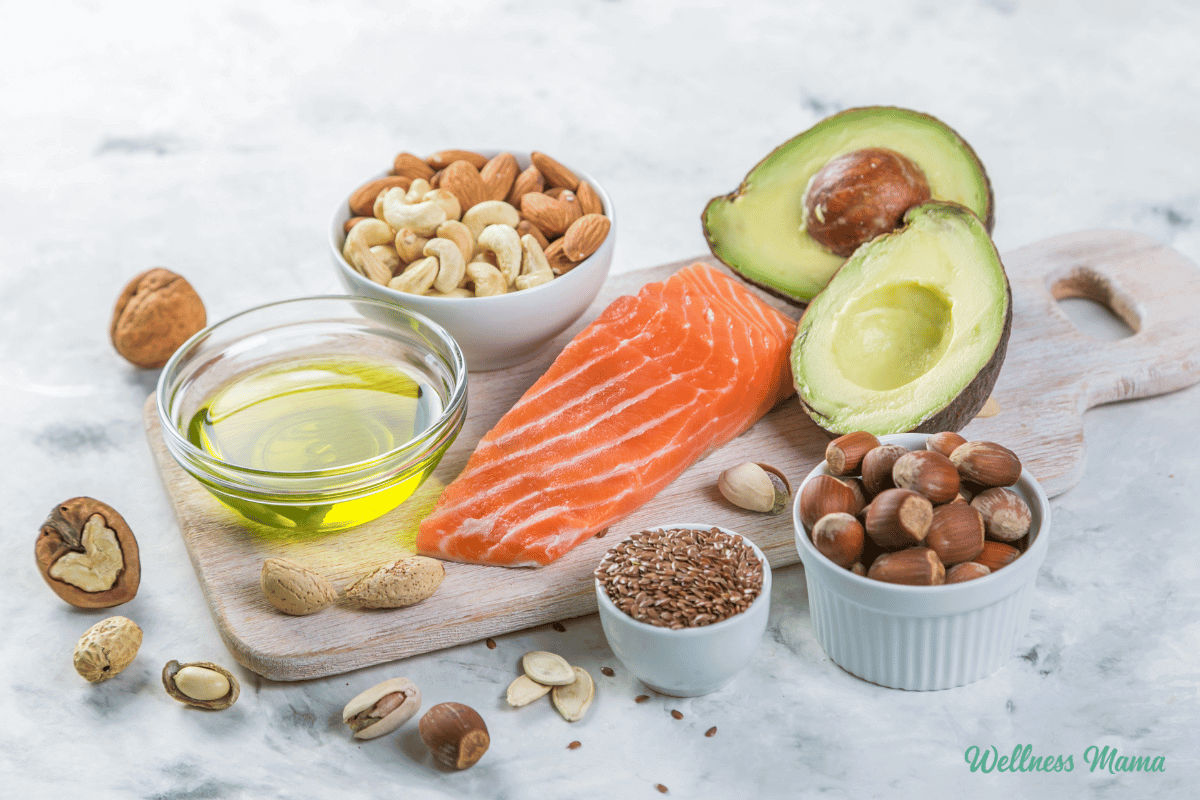
Like most things in the nutrition world, fats are back in style. At least certain kinds, and in certain amounts. Some healthcare providers still recommend a low-fat diet, but is it really healthy? Here’s the scoop on fats, what they are, which ones are good (or bad), and what to do about them.
Low Fat Diets
It’s no secret that fats have had a bad reputation in recent decades. They’ve generally been discouraged by most in the medical community and nutritional fields. Ever since Ancel Keys presented his lipid heart hypothesis, doctors have sung the health benefits of reduced fat and fat-free diets.
In more recent years though we’ve seen a turnaround when it comes to dietary guidelines for fat. Scientists recognize some fat is necessary for health. While the medical community isn’t as quick to embrace things like butter and coconut oil, high-fat diets are currently more popular with the public.
If someone is experiencing gallbladder problems or certain health issues, it may be medically necessary to opt for lower-fat foods for a season. This is something to discuss with your healthcare practitioner or a functional nutritionist. Here’s a list of nonfat and low-fat options:
List of Low-Fat Foods
These foods are commonly recommended by mainstream dietitians and doctors. However, not all of them are healthy options. The more processed our food is, the less nutrition it has.
- Lean meats like skinless poultry. Lean cuts like chicken breast are popular.
- White fish, like cod, flounder, or pollock. Opt for wild-caught.
- Whole grains, like brown rice, whole wheat, cereals, and whole-grain bread (see below)
- Legumes, beans, and lentils (here’s my take on beans)
- Dark leafy greens
- Fresh or frozen fruit
- Vegetables
- Low-fat dairy (don’t recommend)
- Egg whites
My Take on the Above
I typically avoid grains for several health reasons. And on the occasion I do have rice, it’s white rice instead of brown. You also won’t find me with whole wheat sandwich bread. These grains are harder to digest and have anti-nutrients, like phytic acid and arsenic. Ancient grains, like einkorn and fermented grains (sourdough), are better options.
Artificially reduced fat content, like low-fat cream, also doesn’t make my healthy eating list. Low-fat cottage cheese, fat-free cream cheese, skim milk, and low-fat yogurt are other commonly recommended options. Pasteurized, low-fat dairy products lack nutrition and can spike blood sugar. They’ve also been linked with higher rates of obesity.
If someone needs to reduce fat intake for a while, some options are healthier to focus on.
Fear of Fat
Many foods that are considered “healthy” by the majority of Americans carry a low-fat label. I once had a friend tell me she was going on the slim-fast and Special-K diet (cringe) because it was “low-fat.”
I could understand the fat phobia if perhaps fat had been linked to weight gain or disease incidence. Or maybe if America’s obesity epidemic had lessened since the low-fat craze. Or maybe if eating a low-fat diet actually caused long-term weight loss (anyone tried it?).
The sad fact is many people accept the idea fat is bad without understanding how we need it. Within the past decade fat intake from certain “good fats” has gone up, but what makes a good fat? And why do we need them?
What You’re Made of
Chemically, all fats are made up of varying numbers of hydrogen, oxygen, and carbon molecules. Each carbon atom is bonded to two other carbon atoms, and the more carbon atoms there are in a given fatty acid, the longer it will be. Fatty acids with longer chains typically have a higher melting point and yield more energy per molecule when metabolized.
Let’s break down the different types of fat and what they mean.
- Saturated fats are saturated with hydrogen. They’re also solid or firm at room temperature. Examples include butter, coconut oil, and red meat.
- Monounsaturated fats have fewer hydrogen atoms so they’re liquid at room temperature. Avocados and nuts are good examples.
- Polyunsaturated fats tend to be liquid and they’re considered essential. Meaning our body can’t make them, we have to get them from food. Omega-3 and omega-6 fatty acids are the two main kinds. The issue is where we get them from and in what ratio.
- Trans Fats naturally occur in small amounts in some animal foods. But the bad kind is artificially manipulated unsaturated fat. This one type of fat has been linked to disease.
Why We Need Fat
Now that we got biology out of the way, what does this mean in the dietary world?
We need essential fatty acids to help our bodies absorb fat-soluble vitamins. They’re also necessary for healthy skin, hair, and cell function. According to Harvard, they’re essential for blood clotting, muscles, building our cells, and fighting inflammation. Those are just a few of the reasons.
Fats provide 9 calories per gram and are broken down into fatty acids and glycerol (a source of energy) once in the body. When toxins enter the body and reach unsafe levels, the body attempts to equalize them by storing them in fat tissue. If we’re eating high levels of toxins (not fats) our body can store them, leading to disease.
So does fat make you fat?
While dietary fat is often blamed for weight gain, nothing happens in a vacuum. The body can break down fat into glucose and use it for energy. Although this process takes more energy than using the sugar already in our blood. Grains, processed carbs, and even sweet fruit become easy sources of energy.
Over time these easy energy sources can lead to insulin and leptin resistance. Insulin resistance can then lead to type 2 diabetes and metabolic disorders. Any extra carbohydrates we don’t use right away for energy end up stored as fat. Constantly feeding our body quick carbs means we don’t tap into our energy reserves (body fat). This is why too many carbs, sugar, and processed foods can make us gain unhealthy weight.
So if fats aren’t entirely to blame, what fats are we supposed to eat and what to avoid?
Saturated Fats: Friend or Foe?
The American Heart Association recommends getting a max of 6% of our calories from saturated fat. The idea is too much of this fat can raise cholesterol levels and lead to cardiovascular disease and high blood pressure. Dietitians and doctors once thought heart health relied on cutting out saturated fats.
But even the mainstream medical community is starting to admit the risk of heart disease is more nuanced than that. A 2010 meta-analysis of nearly 350,000 people showed there’s little to no evidence saturated fat increases the risk of heart disease. Harvard reports replacing saturated fats with carbs is more likely to have a negative effect on heart health.
They still hold that too much saturated fat can increase “bad” LDL cholesterol. Yet studies show this increase doesn’t lead to a higher death rate.
Foods With Saturated Fat
Saturated fats are important for proper body functions. They also get most of the heat from the low-fat crowd. We need saturated fats in order to:
- absorb certain vitamins
- for calcium uptake
- immune function
- cell membrane structure
Contrary to what most experts say, a healthy, whole foods, traditional diet with saturated fat can actually help with weight loss. Many also notice better skin health, more energy, fewer cravings, and better sleep.
Here are foods that are good sources of saturated fat:
- Red meat (Beef, pork, lamb)
- Chicken (especially with skin)
- Tallow and lard
- Grass-fed dairy products (butter, cheese, ice cream)
- Eggs
- Coconut oil and coconut products
- Palm oil (many people avoid it due to sustainability issues)
- Olive oil (has a small amount of saturated fat)
Monounsaturated Fats
Of all the fats, these are the most widely accepted. I like monounsaturated fats in moderation and include them in my meal plan. You can find them in varying amounts in certain oils, including:
- olive oil
- sunflower oil (high oleic is healthier)
- sesame oil
- flax oil
- peanut oil and peanut butter (has both mono and polyunsaturated fats)
- avocados
- nuts and seeds
Some monounsaturated fats may not be the best option for cooking with though. There’s some concern high temps can create unhealthy free radicals. Research shows olive oil is safe to cook and bake with, but it’s not my first choice. I prefer to save my (pricier) olive oil for homemade salad dressings or drizzled over soups. When I was in a weight loss phase, I ate lots of olive oil!
Polyunsaturated Fatty Acids (PUFAs)
PUFAs are vegetable oils that are liquid even at cold temperatures. They can easily go rancid and break down into free radicals when heated. They’re also the most likely to be used for frying foods. You’ll also find them in butter substitutes, like margarine.
To add insult to injury, most of these oils are hydrogenated. This makes them last longer on the shelf. However, they’re unusable to the body since we can’t metabolize them. They can also create free-radical damage.
You’ll see polyunsaturated fats under names like corn, cottonseed, canola, vegetable, soybean, peanut, etc and most of them often carry the title “hydrogenated” or “partially hydrogenated.” My general advice to everyone is to completely avoid these types of fats, especially if they have been heated.
While I don’t ever recommend highly processed polyunsaturated fats, there are some positives.
Omega-3: The Good Side of PUFAs
PUFAs naturally occur in certain plant and animal foods. And these types of food also have anti-inflammatory omega-3 fatty acids. The issue is when they’re highly refined and out of balance. Most people eat way more omega-6 fats, but ideally, we’d have omega-3 and omega-6 in a 1:1 ratio. To combat this, many people now take omega-3 supplements.
I prefer to get my omega-3 fats from food as much as possible, and animal foods are the best source. Grass-fed and pasture-raised products are much higher in omega-3. While conventionally grain-fed raised animals have more omega-6 fats.
Here are some examples of healthy polyunsaturated fat (aka the omega-3 version)
- Fatty fish (anchovies, sardines, salmon. etc.)
- Grass-fed beef
- Free range eggs
Flax and chia seeds have ALA omega-3 which is poorly converted by the body. I still use flax and chia for their health benefits, but they’re not the best source of omega-3s.
Omega-3s help with brain function, fight inflammation and boost energy levels. They also have the much-touted ALA, DHA, and EPA fats that are now added to many foods. I get my omega-3s from dietary sources, like anchovies and sardines.
Trans Fats
This fat completely deserves the heat it’s been getting. Hydrogenated trans fats aren’t healthy in any amount. This process turns unsaturated fats into much more dangerous trans fats. Our cells can’t absorb it which messes up their function.
Studies connect these guys to heart disease, obesity, abdominal fat, diabetes, and certain types of cancer. Trans fats are one of my arguments against the “everything in moderation” idea, as they aren’t safe in any amount.
As of 2020 the FDA no longer allows any amount of fat from added trans fats. Many countries around the world have also phased it out. In response, scientists turned to creating fully hydrogenated fats by replacing part of the fat molecule with stearic acid.
These “interesterified fats” are what allow snack makers to place that lovely “no-trans fat” label on their packaging. Don’t be fooled! Interesterified fats are just as dangerous. Some studies show they can slow down metabolism and negatively affect heart health.
They haven’t been thoroughly studied for safety and there are still unanswered questions. We don’t fully know yet how they affect fat and glucose metabolism, inflammation, or blood health. Most studies have been done in young, healthy males, which leaves out most of the population.
What I Do
When I first started eating real food, I was the biggest cheerleader for saturated fats. I’d typically drink 1/4 cup of coconut oil a day in coffee and tea. I also relied heavily on foods like free-range eggs and red meat. While saturated fat from healthy sources is still a good option for most people, not so much for me.
After getting my genetics tested I found out my body doesn’t process saturated fats (or eggs) very well. Personally, I’ve felt a lot better focusing more on fish, poultry, and olive oil for my fat sources. I share my personal insights on fats and oils in this short podcast episode here. Everyone is different though and what works for me won’t necessarily work for the next person.
The important thing is to get healthy fats from whole foods and as minimally processed as possible.
The Bottom Line on Low Fat Diets
I think we’ve established how important healthy fats are for body and brain function. We need fats, just the right ones.
As a recap:
- Saturated fats from healthy meats, coconut, avocado, and nuts are good.
- Monounsaturated fats are good as long as they’re not heated.
Omega-3s are vital to our body, especially because we eat them in improper ratios.
- Processed vegetable oils, hydrogenated fats, trans fats, and interesterified fats are actually dangerous and should be avoided.
What kinds of fats do you eat? Do you avoid certain ones? Leave a comment and let me know!
- American Heart Association. (2021, November 1). Saturated Fat.
- Harvard Health Publishing: Harvard Medical School. (2022, April 12). The truth about fats: the good, the bad, and the in-between.
- U.S. Food and Drug Administration. (2018, May 18). Trans Fat.
- van Rooijen, M. A., & Mensink, R. P. (2020). Palmitic Acid Versus Stearic Acid: Effects of Interesterification and Intakes on Cardiometabolic Risk Markers – A Systematic Review. Nutrients, 12(3), 615.
- Mensink, R. P., et al. (2016). The Increasing Use of Interesterified Lipids in the Food Supply and Their Effects on Health Parameters. Advances in nutrition (Bethesda, Md.), 7(4), 719–729.
- Siri-Tarino, P. W., et al. (2010). Meta-analysis of prospective cohort studies evaluating the association of saturated fat with cardiovascular disease. The American journal of clinical nutrition, 91(3), 535–546.
- Enig, M., & Fallon, S. (2000, January 1). The Skinny on Fats. Weston A. Price Foundation.


Leave a Reply