


Gardening was once a normal part of life for most people. Not so many generations ago, neighbors exchanged fresh produce over fences (too many zucchini again!). And most people knew their local farmer. Many of us also have fond memories of grandmothers opening a can of homemade pickles or jam.
If you’re looking to get started with your own little patch of dirt, here’s how to start a garden.
Even though times have changed (Wal-Mart, anyone?), we still have the ability to grow some of our own food for at least part of the year in almost all parts of the world. Yet statistically many of us don’t (especially in the US).
Conserving a local food source is important and working in a garden is good for the body and soul. This year, do something great for the Earth and your family and consider testing out that green thumb! Instead of paying top dollar for organic produce at the store, try organic gardening in your own backyard.
It’s Time to Bring Back Gardening!
In war times, families were encouraged to grow “victory gardens” to help prevent food shortages. At one time there were over 20,000,000 of these vegetable gardens in the US. As the war died down and people moved away from agriculture and into more urban settings, home gardening began to decline.
You can still have your own garden though no matter where you live! If it’s your first time gardening, start small and use what you have. A new garden can be as simple as a container garden on your back porch or an herb garden on your kitchen windowsill. If you have room for in-ground garden beds you can easily produce enough food to feed a family.
The good news is that in recent years gardening has really been making a comeback!
How to Start a Garden for Beginners
The thought of starting your first garden can be overwhelming. There are so many different plants/seeds to buy, and different gardening styles, not to mention how to keep it all alive!
If having access to fresh food with maximum nutrients is a priority, then even a small garden or indoor herb box is a step in the right direction. Foods from the garden don’t have to be canned … many of them can be thrown in the freezer (or eaten fresh!).
My favorite gardening benefit? Kids connect with healthy eating in a whole new magical way by seeing where their food comes from. Here’s how to get started with your own backyard organic garden, step by step!
1. Choose Your Space
I know many people who are fortunate enough to have a huge backyard with plenty of room to garden. However many of us live in the city or a small suburb and have limited space that gets full sun. Figure out how much space you can devote to a garden and plan accordingly.
Check your yard or porch area several times a day to see how many hours of direct sunlight it gets. This will help you choose the best garden spot. Ideally, you’ll also want something close enough to a water source (like a spigot or hose). Toting a watering can around for an hour a day can get tiring!
Consider using raised beds to maximize space and production. Or, if you have a few containers on a patio, make sure they get quality soil, organic fertilizer, and enough sun and water (with good drainage).
2. Decide What to Grow
What you choose to grow will depend on the space you have. Then there’s the choice of annuals (things like eggplants and tomatoes) and perennials (like echinacea and rosemary).
In the first year especially, it can be tough to know what to plant. When I started gardening, we often ended up with too many tomatoes and wished we had more cucumbers. If you want to go all out, here’s how much to grow per person to feed your family for a year.
My strategy now is to grow foods that (a) we eat the most of and (b) are the most expensive to buy organically. For us, this means lots of spinach, strawberries, winter squash, tomatoes, herbs, cucumbers, blueberries, sweet potatoes, and peppers.
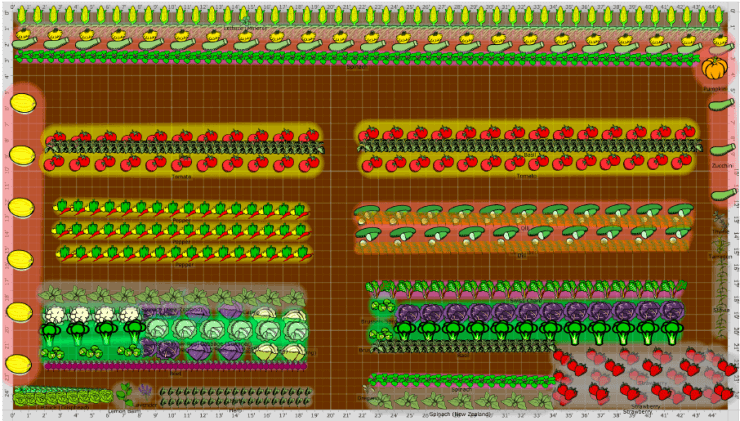
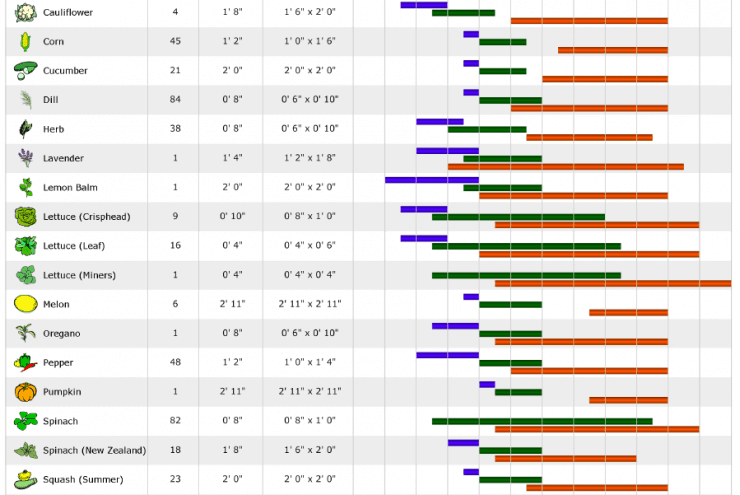
To help figure out how much of each plant to grow and when to plant, check out GrowVeg.com. They offer a free 30-day trial of their garden planning guide, which lets you see how many of each variety to plant.
Here’s a picture of what our spring garden looked like one year using this garden plan:
They also give you a great chart of planting dates for your climate:
Beginner Tip: Don’t be overwhelmed by gardening books, charts, and planning on how to grow vegetables. The above is what I tried after several years of experience gardening. The important thing is to start getting some hands-on experience. Choose a few seed packets and follow the instructions on the back. Each year you’ll try something new and build up to the garden of your dreams!
Great beginner seed choices are:
- snap peas (kids love these!)
- tomatoes
- peppers
- marigolds (gardens need flowers – this variety is even edible)
- zucchini
- radishes
Want to keep it super simple? Order a beginner’s gardening kit that comes with all the instructions and planning tools. Decision done!
3. Start Seeds Indoors
Starting seeds indoors gives you a head start on the garden and a longer growing season. Starting plants like tomatoes and peppers inside is almost necessary for a good growing season.
You can buy starter plants from your local garden center, but growing your own from seed is a fun learning experience! It’s also much cheaper and easier to find a wide variety of heirloom and organic plants.
You’ll also want to check when the last frost date is for your growing area to determine the seed planting time. See this post for more details on how to do it. For a fall garden, you’ll want to either directly sow the seeds outside or start them inside in the summertime.
Beginner Tip: As mentioned above, there are kits for beginning gardeners to take the stress out of the process. Try a simple seed starting kit for step-by-step instructions specific to each plant.
If you want to choose from a wide variety of seeds, I recommend True Leaf Seeds for non-GMO and organic choices. Heirloom seeds are varieties that have stood the test of time and have been preserved over generations.
4. Prepare the Garden
Once you have the garden space reserved, you need to make sure you have good garden soil to work with. If not then you can add amendments like organic matter or mix in a layer of compost.
Many county extension offices offer soil testing at inexpensive prices. Getting your soil tested will help you pinpoint what, if anything, you need to add to the soil to make sure your plants grow well. These tests are usually around $20 and give invaluable information that will help your garden all year.
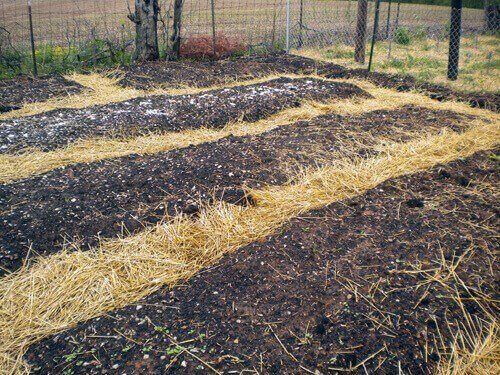
We tilled in several truckloads of organic compost over the last few years. While this was a little pricey upfront, it paid off in the long run. Our soil is naturally very acidic dense clay that doesn’t drain well. Adding the compost gave us beautiful, black soil that produced veggies in abundance!
Beginner Tip: Want simple? Try a DIY planter box! I shared the instructions for my simple cedar planter box before, and this is one of the simplest ways to grow a small backyard garden. This planter is only three feet long and will fit almost any patio or porch. We grew kale, herbs, and a few microgreens in ours.
5. Make the Most of Your Space
You can easily maximize your growing space and often prevent pests with a few organic gardening methods. To make sure you get the most production from small spaces, practices like companion planting, succession planting, and square-foot gardening can help.
Companion Planting
Companion planting allows you to grow multiple plants that help each other in the same area. A classic example is the Indian custom of planting corn, beans, and squash together. The corn provides a structure for the beans and squash, and the beans add nitrogen back into the soil to feed the corn and squash.
Another example is planting basil under tomatoes. Besides tasting great together, these two help deter pests from each other and improve the growing quality of each other. Tall plants can also provide some respite for shade-loving plants.
My favorite plants to grow together are:
- Basil with tomato to promote growth and keep pests away
- Marigolds throughout the garden to deter pests and reduce nematodes
- Dill with cucumber
- Catnip, mint, and chamomile among brassicas (cabbage, broccoli, cauliflower, etc.) to deter pests
- Beets under cabbage to maximize space
- Cucumbers with mammoth sunflowers – the sunflowers act as the trellis
For more on companion planting, check out this post.
Succession Planting
Planting a variety of crops in succession will give you more yield from your garden and extend your harvest season. Right now, my garden has young cabbage, cauliflower, broccoli, Brussels sprouts, kale, chard, spinach, and lettuce. Once those are harvested, the same beds will become a space for melons or winter squash.
Depending on your area, you can even grow certain plants into fall and winter. Once the summer garden is harvested, try planting cool weather loving root vegetables, greens, and lettuce.
Vertical Gardening
Growing some plants up rather than letting them sprawl can reduce the amount of space they need. This also increases yield by increasing airflow and reducing disease exposure. Trellises and cages are great for tomatoes, cucumbers, vining squash, and others. See this post for ways we’ve used vertical elements in the garden over the years.
Beginner Tip: If these options seem overwhelming, just stick with planting in rows according to seed package directions. If planting tomatoes or cucumbers (which definitely need some vertical support), ask your local garden store to direct you to some store-bought trellises perfect for the job.
6. Feed (and Weed) the Garden
Once the garden is planted, it’s time to feed and weed! If you’ve tested your soil and prepared it with compost, this step won’t be necessary for a little while at least, but I do like to use this homemade compost tea to give the garden a boost. It’s a great alternative to expensive natural fertilizers and easy to make when needed.
Organic gardening does come with its fair share of weeding since we’re not using chemical herbicides around food (shudder). Thankfully there are ways to simplify the process. Weeds can’t grow where there isn’t light, so smother them before they start by covering garden aisles with newspaper, cardboard, or organic mulch. Or use a natural paper weed barrier that will simply till into the soil when the season is over. It really works!
Beginner Tip: A simple garden hoe takes care of the rest and needs to be used between plants every few days. My youngest kids have gardening tools that are just their size and love helping with this job.
7. Be Ready With Natural Pest Control
Think weeds are the biggest problem with a garden? Nope. No gardening post would be complete without mentioning the importance of pest control. It’s frustrating to spend hours working on your garden only to have plants destroyed by bugs, caterpillars, and even small (and large) animals.
With organic gardening, many of the normal pesticides are off-limits, but there are still many great ways to keep the pests out! Check out this post for a variety of natural pest control options.
Beginner Tip: Learn to “scout” the garden. Gardeners know that constant observation is the key to success. Take your morning coffee out to the garden and observe what’s going on. That way you’ll catch any pest damage while it’s still small.
8. Enjoy Your Organic Garden!
There are sure to be some failures in your first year of organic gardening (or even your tenth!), but that’s just part of the package. Plenty of what you plant will grow, and nothing beats picking fresh produce from your own backyard garden. It tastes so different from what’s found in the store (a cherry tomato warm from the sun fresh off the vine … aaahh). And what’s more your kids will go nuts for their own garden produce.
Tip: Use that fresh zucchini and summer veggies in this hearty Italian sausage soup!
Knowing where your food comes from (and what wasn’t sprayed on it!) is ultimately so satisfying and worth the investment of time and effort. Plus, you’ll be getting that elusive time outdoors in the sunshine and dirt. Your body will thank you!
Are you gardening this year? What are you planting? Let me know below!


Leave a Reply