


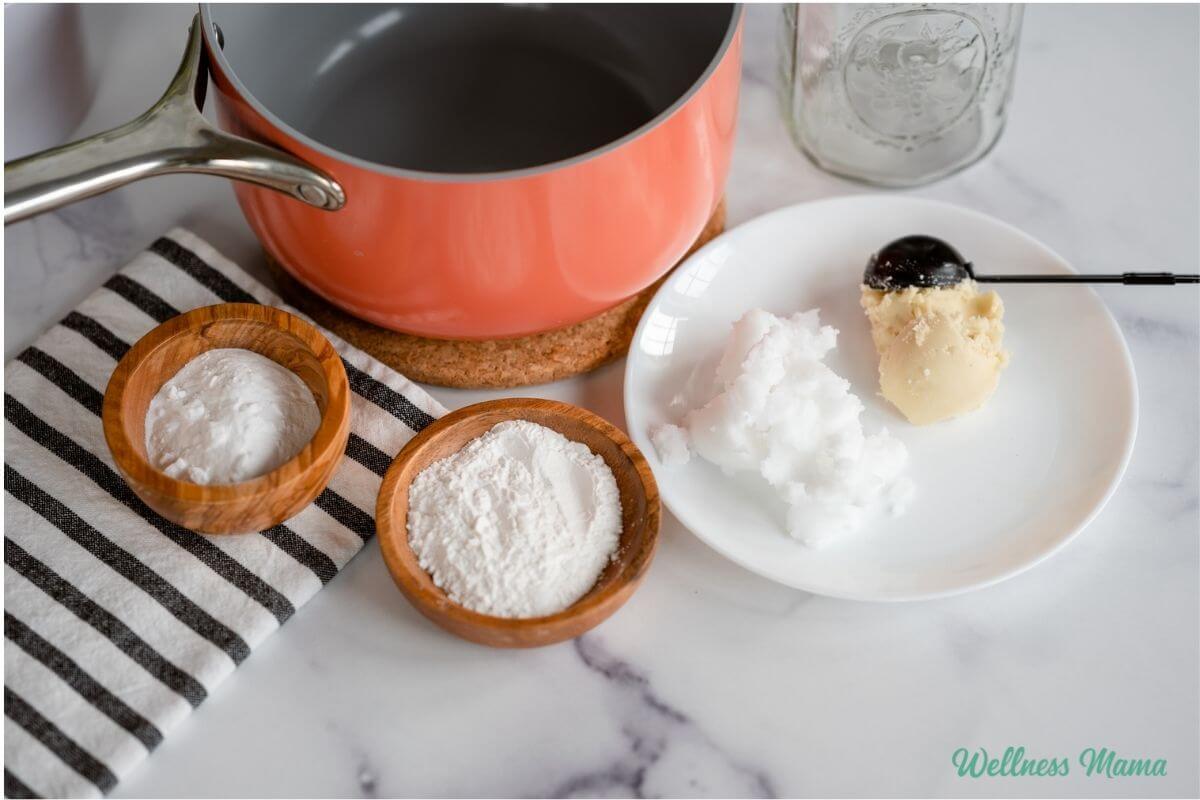

Today, I tackle a subject that no one really wants to talk about: body odor. Of course, I want to use a natural deodorant, but I also want something that works!
Chances are, you’ve probably experienced body odor at some point. I’m posting this because it was a touchy subject for me for a long time, and I’m hoping my (embarrassing) plight might be able to help you!
Why Natural Deodorant?
Eating a good diet and drinking enough water can really cut down the underarm odor, but sometimes you need something else. Sure, the conventional deodorant antiperspirants work great, if you don’t mind infusing your armpits with aluminum, parabens, and other additives! Aluminum has also been linked with potentially contributing to breast cancer.
For those of us who have sought a more natural option, you may have noticed that the pickings are rather slim when it comes to the best natural deodorants. There are a lot of natural deodorants out there, it’s just that, well… most of them don’t work well. I say this from experience, as a woman who’s been pregnant multiple times in the last few years (pregnancy increases sweat) and worked out through the pregnancies.
So What to Do?
Sweat like a horse or slather on the aluminum? Is there no other option?
Fortunately, there is!
Unfortunately, it takes more time than going to the store. But it lasts a lot longer and is a whole lot healthier! In my pursuit of healthy armpits, I finally stumbled upon a natural homemade deodorant recipe that works and is still natural. This is after trying every natural variation I could find (which didn’t work or caused a rash) and after several very failed attempts at making it.
I did find in the process that pure baking soda or plain coconut oil works pretty well, so if you aren’t into making your own, maybe try that. Some people get a rash from baking soda, so test this on a small area of skin first.
How to Make Natural Homemade Deodorant
Both of the recipes below work really well. I prefer the softness of the first recipe, but if you don’t have shea butter lying around, the second recipe works just as well and has fewer ingredients. You can customize your deodorant to your scent preferences with essential oils or omit them for an unscented version. Those with more sensitive skin may prefer to skip the essential oils or even do a baking soda-free version.
If you’d like a slightly stronger deodorant recipe with a manly scent, see my DIY Men’s Deodorant recipe.
Essential Oils for Natural Deodorant
Some essential oils smell amazing but can be harsh on the skin, like cinnamon and clove. When I’m making beauty products and homemade skincare recipes, I want natural ingredients that work but are also safe for the skin. Certain essential oils help fight odor-causing bacteria and make it smell nice. Here are some options::
- Eucalyptus
- Tea tree
- Lavender
- Peppermint
- Frankincense
- Cypress (astringent to help with excess sweat)
- Amyris
Bergamot and Sandalwood are also popular scents, but they come with some caveats. Sandalwood is considered at risk or already endangered due to overharvesting. While not all sandalwood species are on the at-risk list, more overall demand means the less used varieties are now getting more attention and use.
Australian sandalwood doesn’t seem to be vulnerable right now, or Amyris essential oil has a similar scent and can be used instead.
Bergamot has a refreshing scent, but it does make skin more likely to burn in the sun. I’m not too worried about my armpits getting lots of sun, but to be on the safe side there are a few options.
- Use .4% or less of bergamot essential oil
- Use bergaptene-free bergamot (this doesn’t cause photosensitivity)
How Do You Make 3 Ingredient Deodorant?
If you take a peek at some drugstore brands they have way more than 3 ingredients. While a longer ingredients list isn’t necessarily bad, simple is usually easier. My coconut deodorant recipe has just coconut oil, baking soda, and arrowroot powder (essential oils optional).
More Natural Deodorant ingredients
I have several different natural deodorant recipes you can find here. Some popular active ingredient additions include activated charcoal, kaolin clay, and probiotics. Vitamin E oil is an antioxidant that helps extend the shelf life of the carrier oils, but it’s entirely optional.
Why Use Natural Deodorant?
I started this pursuit to avoid nasty additives in regular deodorant, but I’m a lifelong convert because it works!
No, really! I was the girl who rejoiced when Secret Clinical Strength came out before prom one year. I’ve had to use regular deodorant a few times since I started the natural, and it doesn’t work as well. Although not an antiperspirant, it does seem to absorb a lot of wetness.
After a few weeks of using natural deodorant, I noticed an unexpected side effect… I wasn’t sweating as much, to begin with. Months later, I notice this even more!
I urge you to try making your own deodorant. Even if you aren’t daunted by the ingredients in your own deo, wouldn’t you feel better knowing you weren’t putting anything on your skin that you couldn’t eat (not that you would want to eat shea butter!)? If you do try it, let me know the outcome!
Homemade Deodorant with Shea Butter Recipe
Equipment
Materials
- 2 TBSP shea butter
- 3 TBSP coconut oil
- 3 TBSP baking soda
- 2 TBSP arrowroot powder (or organic cornstarch, optional)
- essential oils (optional)
Instructions
- Place the shea butter and coconut oil in a quart size mason jar.
- Place the mason jar in a small saucepan of water and heat over low heat until the shea butter and coconut oil have just melted.
- Remove from heat and add the baking soda and arrowroot if using.
- Mix well.
- Add the essential oils if using, and pour into a glass container for storage. It does not need to be stored in the fridge.
- If you prefer, you can let it cool and pour it into an old deodorant stick for easier use, though it may melt in the summer!
Notes
Coconut Oil Homemade Deodorant Recipe
If you don’t have all those ingredients around, or don’t want to wash a double boiler, this recipe is faster and easier.
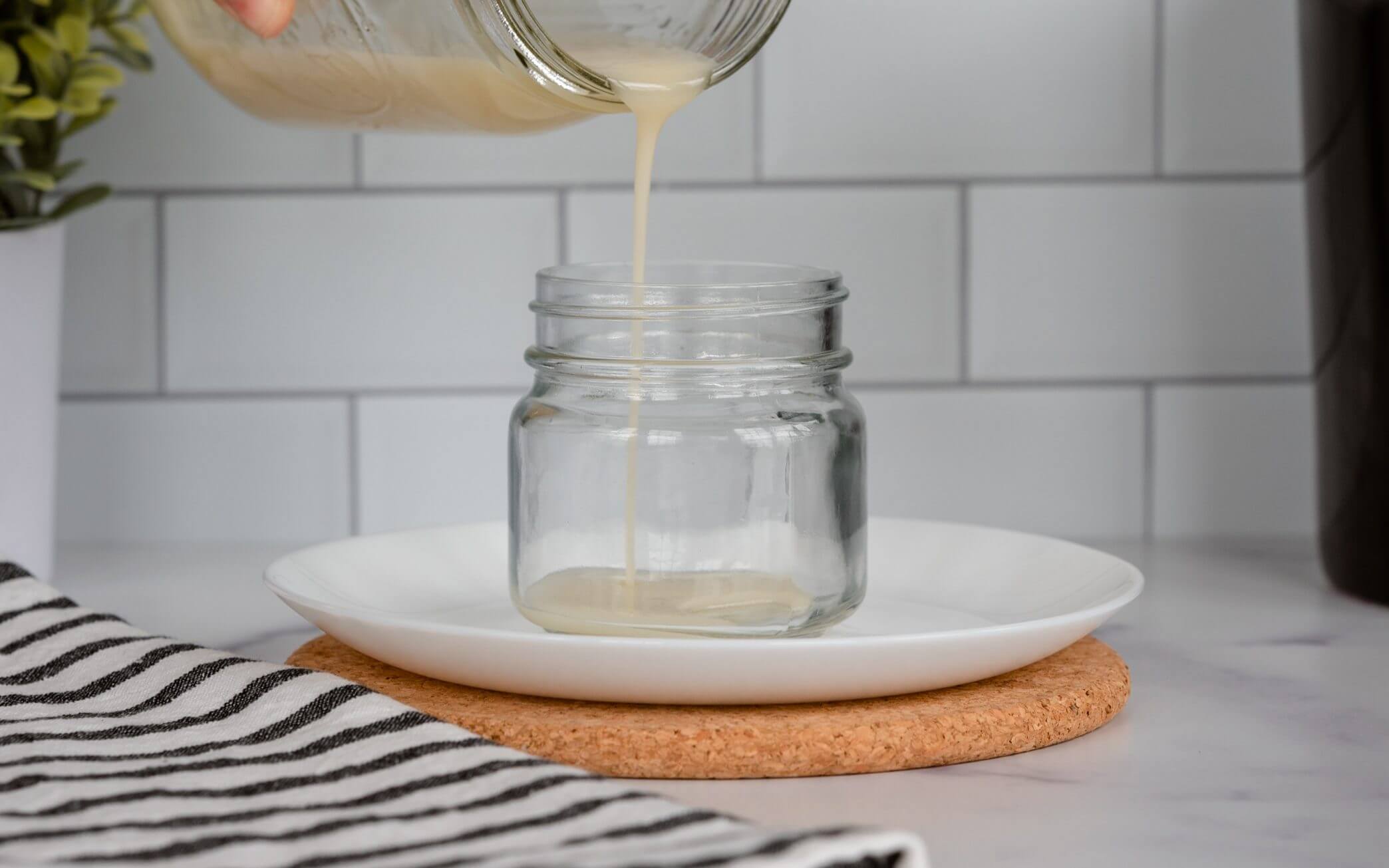
Coconut Oil Deodorant Ingredients
- ¼ cup baking soda
- ¼ cup arrowroot or organic cornstarch
- 6 TBSP coconut oil
- essential oils (optional)
Coconut Oil Deodorant Instructions
- In a medium size bowl, mix together the baking soda and arrowroot.
- Use a fork to mash in the coconut oil until well mixed.
- Add oils if desired.
- Store in small glass jar or old deodorant container for easy use.
Troubleshooting and FAQs
After years of using this recipe and hundreds of comments from readers who have tried these recipes I’ve created some FAQs. If you have any trouble with making these natural homemade deodorant recipes, this may help.
Q. How long does homemade deodorant last?
A. Because there’s no water in the recipe I’ve found it lasts for 6-12 months. I always use it up before that long though.
Q. This homemade deodorant is giving me a rash… Did I do something wrong?
A. Some people react negatively to the baking soda and develop a rash or underarm discoloring. If this happens to you, I’d suggest stopping using the natural deodorant until you are able to resolve the issue. Many people cut the baking soda amount in half and notice that the irritation goes away.
A simple clay-based armpit detox can help pull out some of the chemicals from past deodorant use that may store in the underarm and lead to a rash.
Q. How do you make natural deodorant without baking soda?
A. You can replace some or all of the baking soda with arrowroot or tapioca starch. Also, make sure that you aren’t reacting to any essential oils you use in your homemade deodorant.
Q. What can I use naturally instead of deodorant?
- Acid-Based Deodorant: Other readers have noticed that if they react to a baking soda-based deodorant, an acid-based deodorant works better. Suggestions that seemed to have worked include using diluted lemon juice or apple cider vinegar alone or with essential oils.
- Spray Deodorant: A magnesium-based spray deodorant can also be helpful, especially for those who react to coconut oil or shea butter. This is also a lighter option that dried more quickly. If you prefer to spray on your deodorant, here’s a recipe to try.
Q. I’m allergic to coconut oil… can I make this recipe without it?
A. Absolutely!
You can use half as much of a liquid oil like almond, jojoba, or avocado oil in place of the coconut oil, especially in the shea butter recipe. This will create a thinner recipe. If you want a formula closer to an actual deodorant bar but without the coconut oil, use this recipe but use ¼ cup almond (or other liquid oil) in place of the coconut oil.
Q. Can I put this in a regular deodorant container?
A. Yes, though it will work better with the first recipe that contains shea butter. To make an even firmer bar, increase the shea butter to ¼ cup. These inexpensive deodorant containers work well to store this recipe. I also recommend letting either recipe firm up in the fridge before attempting to use it if you are putting it in deodorant containers.
Q. This seems to be staining my clothes… How do I fix this?
A. I’ve personally never had trouble with this, but it seems that this can be a result of using too much of the mixture at one time or not letting it absorb into skin before putting on clothing. I use a tiny amount (not much is needed) and wait 3-5 minutes before putting on a shirt to avoid any staining issues.
Q. This stings if I apply it right after shaving… how do I prevent this?
A. The baking soda or magnesium will sting after shaving. Usually, waiting a few minutes will solve the problem.
Q. How do I prevent ingrown hairs in my armpit?
A. Shaving can sometimes cause uncomfortable bumps where the skin grows over the hair follicle, trapping the hair underneath. Some people believe applying deodorant to the area can help prevent ingrown hairs, but there isn’t evidence for this. Dermatologists recommend lightly exfoliating the area a few times weekly to help.
This article was medically reviewed by Dr. Ann Shippy, who is Board Certified in Internal Medicine and a certified Functional Medicine physician with a thriving practice in Austin, Texas. As always, this is not personal medical advice and we recommend that you talk with your doctor.
Ever made your own deodorant? How did it go? Share below!


Leave a Reply