


How to Remineralize Teeth Naturally & Reverse Tooth Decay

Katie Wells Avatar

Reading Time: 8 minutes

This post contains affiliate links.

Read my affiliate policy.

remineralize teeth
Wellness Mama » Blog » Health » How to Remineralize Teeth Naturally & Reverse Tooth Decay

If you’re like me, you grew up thinking that improper brushing, sugar consumption, and genetics were the only causes of bad teeth. Cavities and tooth decay meant a person needed to brush better and eat less sugar. And it certainly wasn’t possible to heal or remineralize teeth. Instead, dental fillings or fluoride treatments were the only answer.

I believed all that stuff, too. But, despite all the oral care options we have access to, tooth demineralization is still shockingly high. Nearly 90% of adults and 23% of children have dental caries (or tooth decay) in the US, according to the National Institute of Dental and Craniofacial Research.

After experiencing decay myself, I thought the only way to reverse it was through dental interventions. However, after research and trial and error, I discovered the opposite is true. Diet plays a major role in the health of our mouth, and it’s possible to heal your teeth.

What Is Tooth Remineralization?

When a tooth is demineralized, the minerals have been stripped from it, causing dental caries or decay. Tooth remineralization is essentially its healing process. The body restores minerals in the tooth to help it heal. Calcium and phosphate are redeposited into the decayed tooth. This results in new hydroxyapatite crystals, which strengthen and heal teeth.

Although remineralization can occur, we need the right oral environment. This involves diet and good oral hygiene.

What Really Causes Tooth Decay?

Our bodies are made to heal (that’s their ultimate goal!). Broken bones and damaged tissues can regenerate when properly cared for. It makes sense that our teeth could also regenerate.
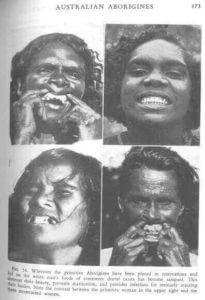
weston a price

Dr. Weston A. Price (a dentist) studied the diet and dental health of cultures with similar genetic backgrounds throughout the world. Some lived in primitive-type societies and ate primitive-type diets. Others ate a more modernized diet. 

The image on the left shows a stark example of this: the woman in the top right ate a primitive, whole-food, high-fat diet while the other women ate a more modernized diet.

In his book Nutrition and Physical Degeneration, he shared his findings that many societies have perfect tooth spacing and no evidence of cavities. This is despite having no access to dentists or modern toothpaste. He also found that others with different (more modern) diets had lots of decay.

Sir (Dr.) Edward Mellanby (who discovered vitamin D) and his wife, Dr. May Mellanby, were also influential in discovering the roles of nutrients in oral health. These two contributed much research in the areas of bone and tooth health and mineral absorption. They discovered that tooth structure is determined during a child’s growth and poorly formed teeth are more likely to decay (pretty logical).

Phytic Acid’s Effect on Bone and Tooth Health

Phytic acid is a phosphorous molecule tightly bound with other molecules to form a type of phosphorus. This molecule isn’t easily absorbed by humans. More simply, it’s a compound present in grains, nuts, seeds, and legumes.

The body naturally converts it into phytates, which, according to some research, remove calcium from the body.

People who consume large amounts have higher rates of tooth decay, mineral deficiencies, and osteoporosis. Sadly, most American diets are high in grains, sugars, and vegetable oils and low in animal fats and fat-soluble vitamins. This is the exact opposite of what Drs. Mellanby found to be helpful for optimal tooth health.

Vitamin D and Phytic Acid

Removing phytic acid from the diet and adding minerals and fat-soluble vitamins allows bones to remineralize. Drs. Mellanby wanted to study if this would also occur in decaying teeth. 

They studied children with cavities and put them into three groups:

  • Group 1 – Regular diet plus oatmeal (high in phytic acid)
  • Group 2 – Regular diet plus vitamin D
  • Group 3 – Diet low in phytic acid plus vitamin D

They found that the first group continued to get cavities with little to no healing. The second group who received supplemented vitamin D showed some healing, but also got some new cavities. The third group showed very few new cavities and even had many existing cavities heal!

The Doctors’ Conclusion: Diet Affects Oral Health

These doctors all reached the same conclusion after years of research. They found that tooth structure and decay are largely determined by diet, especially three main factors:

  1. The presence of enough minerals in the diet.
  2. The presence of enough fat-soluble vitamins (A, D, E, and K) in the diet.
  3. The bioavailability of these nutrients and how well the body absorbs them. This is largely related to the presence of phytic acid and sugar in the diet.

These doctors showed in their research that teeth can heal themselves through remineralization.

What Helps Remineralize Teeth?

We know teeth can remineralize, but what can you do to correct tooth demineralization? There are several easy steps to take if you want to improve your tooth enamel. Things like eating a balanced diet rich in good fats, vitamins, and minerals. It’s also important to pay special attention to oral hygiene, help heal the tooth surface, and avoid dental interventions.

5 Ways to Remineralize Your Teeth

Improving the health of your teeth is possible if you follow a few simple guidelines for diet and oral hygiene. Not only will these tips help strengthen your teeth but they’ll lead to better overall health in your mouth and body.

1. Foods to Avoid for Healthy Teeth

It’s not possible to fully eliminate phytic acid from the diet. But you can minimize the foods that contain the highest amounts. This includes things like nuts, seeds, grains, and legumes.

Some preparations of foods can reduce it. Soaking and fermenting is one method. For instance, nuts have a high phytic acid content, but soaking them overnight in salt or lemon water and then rinsing and dehydrating them in the oven can greatly reduce it. In addition, cooking legumes in a pressure cooker like an Instant Pot can also reduce it.

Another food to avoid is sugary foods. This includes even natural sugars and starches. Limiting fruit and starchy foods (carbohydrates) like sweet potatoes will help with remineralization. Studies show that the more sugar we eat, the higher the risk of cavities. But it’s not just the amount but also the frequency. So, avoid eating snacks and focus on meals. And stay clear of sugary drinks and fruit juices.

Dentists commonly teach that sugar sitting on the teeth causes cavities, but it’s not so simple. Even if you brush after every meal, you can still get cavities from a high sugar or starch diet. This is because sugar depletes the nutrients we need for healthy teeth, weakening enamel. 

2. Foods That Remineralize Teeth

To rebuild tooth enamel, focus on mineral-rich vegetables for their micronutrients. Vegetables with calcium and vitamin D will help the enamel surface.

Homemade bone broths and pasture-raised proteins provide added minerals and vitamins. If you’re short on time, I recommend buying your broth online.

Another excellent food to help with tooth decay is healthy fats. Seafood (including sardines), olive oil, coconut oil, avocados, and other healthy fats support your teeth. In addition, pasture-raised, cultured butter helps increase the presence of fat-soluble vitamins.

3. Supplements to Help Heal Cavities

Sometimes we need to boost our mineral levels with supplements. Unfortunately, many foods are nutrient deficient because the soils are stripped in our modern world. Supplements help fill in the gaps.

I recommend these supplements for dental healing:

  • Vitamin D – In the study by Drs. Mellanby, when vitamin D was optimized cavities healed even without diet changes.  
  • Vitamin K27 – This vitamin helps the body send calcium where it needs to go. It strengthens teeth and bones. I like this one from Just Thrive.
  • Probiotics – Our oral microbiome is more important for our oral health than we realize. Having a healthy microbiome promotes healing.
  • Collagen – This is the main protein in our bodies and is what our bones, joints, teeth, and skin are made of.

4. Best Toothpaste and Oral Care Products to Remineralize Teeth

Practicing good oral hygiene habits are important in healing your teeth. Brushing twice a day and flossing daily is key to good oral hygiene!

Hydroxyapatite – A hydroxyapatite toothpaste is also vital to the remineralization process. Hydroxyapatite is a mineral that helps strengthen teeth. It’s a key ingredient in my Wellnesse toothpaste. Want to make your own? This homemade remineralizing toothpaste is a great option.

Charcoal Toothpaste – A few times a week, use an activated charcoal toothpaste to pull toxins from the mouth. My Wellnesse Charcoal Toothpaste makes it easy to do! It also has xylitol in it, an alternative to sugar as a sweetener. There’s evidence xylitol helps fight cavities. Avoiding sugar is important in the remineralization process.

Flossing – Another important step to a clean mouth. It helps remove plaque and food particles to promote a clean mouth. Wellnesse’s silk floss also has peppermint oil for its antimicrobial properties.

Oral Rinses – When I was healing my teeth, I made a mouthwash with calcium and magnesium powders (75% calcium, 25% magnesium) dissolved in water daily to help provide minerals. Oil pulling is another great way to support tooth and gum health. I recommend doing it for 5 to 10 minutes a day.

5. Stay Hydrated

It’s important to stay hydrated including when it comes to saliva production. Saliva is important for neutralizing mouth pH levels. Having a neutral to slightly alkaline mouth pH in the mouth leads to stronger enamel and less bacteria, two important pieces in tooth remineralization. In addition, drinking water prevents dry mouth, which also impacts the pH level.

Aim to drink at least half your weight in ounces in water each day to help your mouth’s pH level. For example, if you weigh 150 pounds, that would be 75 ounces of water daily. I add minerals to my water (and salt) to make sure I’m staying hydrated. 

How Long Does It Take to Remineralize Teeth?

The remineralization process isn’t something that happens overnight. It can take several months or longer to strengthen your teeth. Following a plan to reduce phytic acid, eat a nutrient dense diet with minerals, and brush with remineralizing toothpaste with hydroxyapatite can help the process work faster.

My Experience With Remineralizing Teeth: Before and After

In early 2010, my regular dental check-up revealed I had some soft spots on my teeth. I also had one “official” cavity. The cavity wasn’t bad, and while they suggested getting it filled soon, it wasn’t a huge rush. They took X-rays, so I have picture evidence of my teeth at this time.

I had every intention of getting it filled quickly, but then life happened and I didn’t get back to the dentist for months. When I was finally ready, I’d read some interesting information about the ability of teeth to heal, so I decided to wait.

I did more research and read Cure Tooth Decay: Heal and Prevent Cavities with Nutrition by Rami Nagel. I also read accounts of people reversing dental damage, so I decided to give it a try. From the research, I created a diet and supplement regimen to try to heal my teeth.

After a couple of months, my teeth were whiter and my tooth sensitivity to cold was much better. This was big news to me as I used to have such sensitive teeth that drinking too cold of a drink could literally almost bring me to tears.

My Results

In the fall of 2011, I finally got around to going back to the dentist (I know, I know… every six months…). I didn’t mention the cavity and soft spots that needed to be fixed… and neither did the dentist!

The hygienist told me that my teeth and gums looked great and asked if I’d started using fluoride or fluoride toothpaste (my chart made it very clear I was anti-fluoride). I told her no but that I had been taking better care of my teeth lately (very true!). When the dentist checked my teeth, he didn’t mention any problem areas either. My teeth had remineralized, and the cavity was no longer there!

Tooth Remineralization Summary

While we’ve been made to think the only way to avoid cavities is to reduce sugar and brush our teeth, the research points to many more dietary causes. And dental interventions aren’t the only answer when it comes to trying to heal decay. Some time and patience, along with great oral hygiene habits and a specific diet, will help heal teeth without the need for fillings!

This article was medically reviewed by Dr. Lauren Jefferis, board certified in Internal Medicine and Pediatrics. As always, this is not personal medical advice and we recommend that you talk with your doctor or work with a doctor at SteadyMD.

This article was medically reviewed by Dr. Steven Lin, who is a Board accredited dentist trained at the University of Sydney. With a background in biomedical science, he is a passionate whole-health advocate, focusing on the link between nutrition and dental health. Listen to my podcast or read the transcript of my interview with him here.

As always, this is not personal medical advice and we recommend that you talk with your doctor or dentist.

Have you tried to remineralize your teeth? Would you try it with your teeth? If you did, what did you do and how did it go?
Did you know it's possible to remineralize teeth naturally? Teeth must be taken care of from the inside as well as the outside. This is how you do it.
Sources
  1. National Institute of Dental and Craniofacial Research. ( 2022, November). Dental Caries (Tooth Decay).
  2. Price, Weston. A.  (2009). Nutrition and Physical Degeneration (Price-Pottenger Nutrition Foundation, Ed.). Price Pottenger. 
  3. Guyenet, S. (2009, March 28). Preventing Tooth Decay. Whole Health Source: Nutrition and Health Science.
  4. Nagel, R. (2010, March 26). Living With Phytic Acid. Weston A. Price.
  5. Moynihan P. (2016). Sugars and Dental Caries: Evidence for Setting a Recommended Threshold for Intake. Advances in nutrition (Bethesda, Md.), 7(1), 149–156. 
  6. Alosaimi, N., & Bernabé, E. (2022). Amount and Frequency of Added Sugars Intake and Their Associations with Dental Caries in United States Adults. International journal of environmental research and public health, 19(8), 4511.
  7. Nagel, R. (2009, January 1). Cure Tooth Decay: Heal and Prevent Cavities With Nutrition. Golden Child Publishing.

Become a VIP member!

Get access to my VIP newsletter with health tips, special deals, my free ebook on Seven Small Easy Habits and so much more!

Easy Habits ebook on ipad
Katie Wells Avatar

About Katie Wells

Katie Wells, CTNC, MCHC, Founder of Wellness Mama and Co-founder of Wellnesse, has a background in research, journalism, and nutrition. As a mom of six, she turned to research and took health into her own hands to find answers to her health problems. WellnessMama.com is the culmination of her thousands of hours of research and all posts are medically reviewed and verified by the Wellness Mama research team. Katie is also the author of the bestselling books The Wellness Mama Cookbook and The Wellness Mama 5-Step Lifestyle Detox.

Comments

925 responses to “How to Remineralize Teeth Naturally & Reverse Tooth Decay”

  1. anna Avatar

    I think some of this advice could be beneficial, but who has time to do all that you would suggest! These things are life consuming. Making special powders and swishing oils and even stricter diets ;( that’s not living to me.

  2. Marjo B Avatar
    Marjo B

    Hello! I have been reading your blog for a couple years now. I use your recipe for tooth remineralizing powder and am trying to heal my cavities naturally, as you suggest in your posts on the subject. I don’t consume white flour or processed foods, sticking with fresh foods and sourdough bread or coconut flour things sweetened with stevia. I was wondering if my sourdough bread which is fermented rye starter, water, salt and freshly ground whole wheat flour (not sprouted though 🙁 ) and which is left to rise for 24 hours is healthier than eating an organic apple or banana or not? I’m talking about those moments where I NEED snack on the go…which is the better for my teeth? I try to avoid nuts, even soaked ones but I also wonder about those…
    If you get a moment, could you give me advice on the best option for snacking on the go which will not harm my teeth? Sourdough bread or fresh organic fruit or soaked nuts? (I’m not including vegetables or milk kefir ’cause I already know those are the best! But sometimes my low blood sugar needs something extra)

    1. Morgan Avatar

      Marjo B,
      I’m no expert, but have avoided phytic acids that Katie discusses here) for years, and also am usually grain free and minimal sugar. Here are my 4 favorite options for quick-to-grab snacks: 1. Granny Smith apple (lowest sugar of most fruits); 2. high-quality jerky (from health food store; read labels); 3. cheese stick (esp raw cheese); 4. homemade “power balls”: sprouted pumpkin or sunflower seeds, finely ground, mixed with powdered cinnamon and coconut oil (play around with ratios, I use about 2 parts seed meal, 1 part cinnamon, and enough oil to get a thick consistency). Can make small 1″ balls and roll in stevia-sweetened cocoa powder, but I don’t usually bother with that step. Store the rolled balls in the freezer, and pop a few into a ziplock back on your way out the door. If I wasn’t actively trying to remineralize my teeth, I would also mix in a bit of date paste. Either way, be sure to rinse well following any snack to minimize lingering carbs in your mouth that could feed the bad bugs of gingivitis.

  3. Leah Avatar

    I’m feeling overwhelmed as we have noticed signs of erosion or decay on our 3.5 year old’s molars. We have not been to a dentist yet as I am worried about finding one who will respect our holistic approach, while work with us as a guide. I’ve also been making some dietary changes (slowly) in our home, but am finding it to be overwhelming and feel as though we cannot eat anything. I know it is probably just a phase getting adjusted to new things, but I was hoping for some more suggestions in regards to making this an easier transition especially with young children who need to eat:) Fruit was commonly a snack at our house, and we did soaked/sprouted grains, so without those things I feel like all we eat is meat, vegetables, and eggs. Also, I was wondering what you would suggest in regards to finding a pediatric dentist who will work with us while respecting our approach. How would you approach a dentist in a respectful way so they are aware of your stance while still willing to work with you? I think I’m geeking myself out…it feels like finding a good doctor…

  4. Sonya Avatar

    Hi! Did you still consume coconut flour when trying to reverse cavities? Given that you probably didn’t cook with almond flour anymore… thank you!

  5. derek Avatar

    try brushing with DE ( Diatomaceous Earth ) food grade available at Natural Health Food Stores ” Perma Guard ” is a good brand ! watch youtube videos on how to make it 😉

  6. Ayanna Lovelady Avatar
    Ayanna Lovelady

    Has anyone found any alternatives with a vegan diet? The thought of consuming any animal products and shelling money to those kinds of bus’s onesies makes me sick.

  7. Jessie Avatar
    Jessie

    I’ve just come from the dentist with my 2.5 year old toddler to find that he has at least 2 cavities. We will be going to a pediatric dentist for more info in a few days. I’m sad and surprised. He is still breast-fed, which I know is frowned upon in the world of dentistry. He has never had the flouride drops. We brush regularly, thinking we were doing a decent job at that. He doesn’t have much sugar, mostly-organic diet, blah, blah, blah. I’ve been warned that the pediatric dentist will be recommending general anesthesia to do his dental work. How do I balance the info I’m getting from the dentist’s office? Are there resources/tips for adapting much of the diet/remineralization recommendations for my hummingbird eater of a toddler? Help.

  8. Gabriella Avatar
    Gabriella

    Has anyone heard of comfrey root and eggshells for healing teeth?

  9. David Baldwin Avatar
    David Baldwin

    Is there ant way to regrow your teeth (regenerate them) and push out existing tooth fillings by re growing dentin or enamel in the filling’s place?

  10. Mojdeh Avatar

    Hi there,
    Can I make this with “coral calcium” instead of Cal carbonate? I have the coral in capsule form and just opened them and use the powder inside.
    Thanks !

  11. Dennis Avatar

    I’ve brushed most of my enamel away from my upper front teeth (starting at the end of teeth it is the worst, i can see three stripes of tooth bone there) because of using baking soda with an electric toothbrush. I noticed it when it was already too late…. Do you think that this methods will grow back enamel on places where i think there is almost no enamel left?

    Thank you so much in advance for your reply!

  12. Dee Avatar

    Any tips on how to get kids to consume the Fermented Cod Liver Oil Gel? I’ve tried to mask it several different ways, the smoothie was just awful, I threw the whole batch out, it was gag you bad. I can take capsule form FCLO, but the little kids cannot yet and my 5yr old has some cavities. We add liquid Vitamin D, limit starch, sugars & grains (until Grandma arrives – she arrives with a loaf of wonder bread in hand…), eat gelatin gummies, use coconut oil & grassfed butter & the 5yr old is recently started using your remineralizing tooth powder. (I shared the end of my tooth powder with him which was apparently kid approved because all the xylitol went to the bottom of the jar and he asked me to make him his own batch! – happy to oblige!) Thanks for all you share, you have been a wonderful resource to this fellow homeschooling Sahm & we use many of your recipes daily!

    1. Wellness Mama Avatar

      That’s a tough one. Some of mine have an easier time than others. Try experimenting with different juices, foods, and proportions to try and mask the taste. Good luck!

  13. Sandra Avatar

    I had a root canal done 1 year ago. It does not have a crown on it. But I just went to the dentist and now they want to treat my tooth and the one next to it because they saw bacteria around it or something like that. Please, I want a healthier alternative to treating this ? Is this book good for my condition?

    1. Wellness Mama Avatar

      Not knowing the specifics of your case, I’m not sure if it will address your needs directly; but it provides a fantastic overview that’s worth reading, if only for future prevention.

  14. Jennifer Cross Avatar
    Jennifer Cross

    My baby girl, 14 months old, started showing signs of decay on her upper teeth 3 and 4. I nurse her through the night. We brush her teeth with coconut oil morning and night. The decay was brown and at her gum line and the enamel was chipping away! My husband and I prayed for healing and added bone broth and cod liver oil to all of our diets! I checked her teeth yesterday and the enamel has grown back the brown chipped away spots are almost gone and it’s been barely 4 days since adding bone broth and cod liver oil to our diets! God is so good!!

    1. Megan Avatar

      This is so encouraging to read. My son is 15 months and his incisor is rapidly decaying. I look at it every day and just break down in tears.. I’ve started cod liver oil, cut out grains and nuts, but haven’t gotten a good quality bone broth yet. I really hope that’s what makes the difference. I’m so scared of the rest of his teeth decaying. Thanks for sharing your experience, I hope God heals my baby boys teeth!

  15. Sara Avatar

    Is there a place that you can buy the homemade remineralizing toothpaste ready made?

  16. Leah Avatar

    We just unfortunately came to notice signs of tooth decay in our 3 year old’s molars. It is disturbing considering I thought we were eating a pretty healthy diet. I have been reading Cure Tooth Decay on top of listening to your podcast and reading other various articles on reversing tooth decay. We brush with a tooth powder exclusively for one year. Do you suggest putting anything on the child’s tooth decay spots in the meantime while we are adjusting our diets and supplements? And, how do I approach this calmly without feeling overwhelmed and not knowing where to start?

    1. Wellness Mama Avatar

      It is tough at that age and many of the things I did personally (oil pulling, h2o2, etc) would be tough for a little one to do. That being said, diet alone seems to make the biggest difference, and kids seem to notice changes even faster than adults!

  17. Sara Avatar

    Hey, Love your blog! I was wondering if you knew if it was safe to use the activated charcoal while pregnant or breastfeeding. Thanks:-) And congratulations on your new addition!! We are expecting baby girl within the next few weeks!!

  18. Lee Chrysafis Avatar
    Lee Chrysafis

    I have been following this routine about 90% strict with cod liver oil / high healthy fat / little to no sugar or grains / tons of vegetable

    Will drinking once a week about 6 drinks in a night with friends over the course of 4-6 hours of ciroc vodka (made from grapes) / seltzer turn into sugar hurting the teeth? From what i was reading alcohol is actually treated as a far in the body

    Thank you so much!

  19. Lisa Avatar

    I apologize if this question has already been asked. There are quite a few posts here, and although I have read a great many of them, by no means did I make it through them all. I wonder if anyone has tried this remedy for the white marks left on teeth when braces are removed. My son took very good care of his teeth while his braces were on, but is left with white marks after what we believe is damage due to drinking Gatorade after he had a tonsillectomy. The white marks came from nowhere with no mention of them by the orthodontist prior to them showing up. His dentist suggested that the Gatorade may have been the issue, stating that gatorade is like acid to teeth. I would love to remedy this situation for him. And would gladly try any of the above suggestions. I would just like to know if anyone else has had any success with this. Thank you

  20. Mary Avatar

    First off, I’d like to thank you for posting this! It has helped me so much since I started the process about 2 months ago. I had 2 cavities that you could very clearly see – on 2 of my front teeth. I successfully healed one since starting the remineralization process, but the other one hasn’t completely healed yet. Up until recently, the tooth with the healed cavity felt smooth – how a normal tooth feels. It used to be rough and bumpy but when it healed it smoothed over! Well, in the last few days it’s begun to go back to that rough texture it was before the healing. What am I doing wrong? I’ve used the toothpaste every single day (twice, sometimes three times a day) for almost 2 months. I’ve begun supplementing with Vitamin D. I don’t have the FCLO, because I don’t have the money for it at the moment. Would oil pulling every day help re-heal the cavity and heal the other one that hasn’t healed yet?
    Thanks so much in advance!

Leave a Reply

Your email address will not be published. Required fields are marked *